
Lead UX, content, brand and design system as a team of two
As a team of two — me plus one engineer — I shipped a design system, a marketing-brand refresh and the full marketing site for Telanto, holding content, brand, and product design under a single hand.
Lead UX
2 (Derry + 1 engineer)
Content workshop · Brand & marketing language · Design system · Marketing site · Supporting material
shipped
Context
Role & team
What I led
Three threads, intertwined:
- Content Workshop for business framing — used to surface the messaging hierarchy and the customer language, then re-cast into product copy.
- Marketing and brand language refresh — type, tone, identity moves that worked across product and marketing.
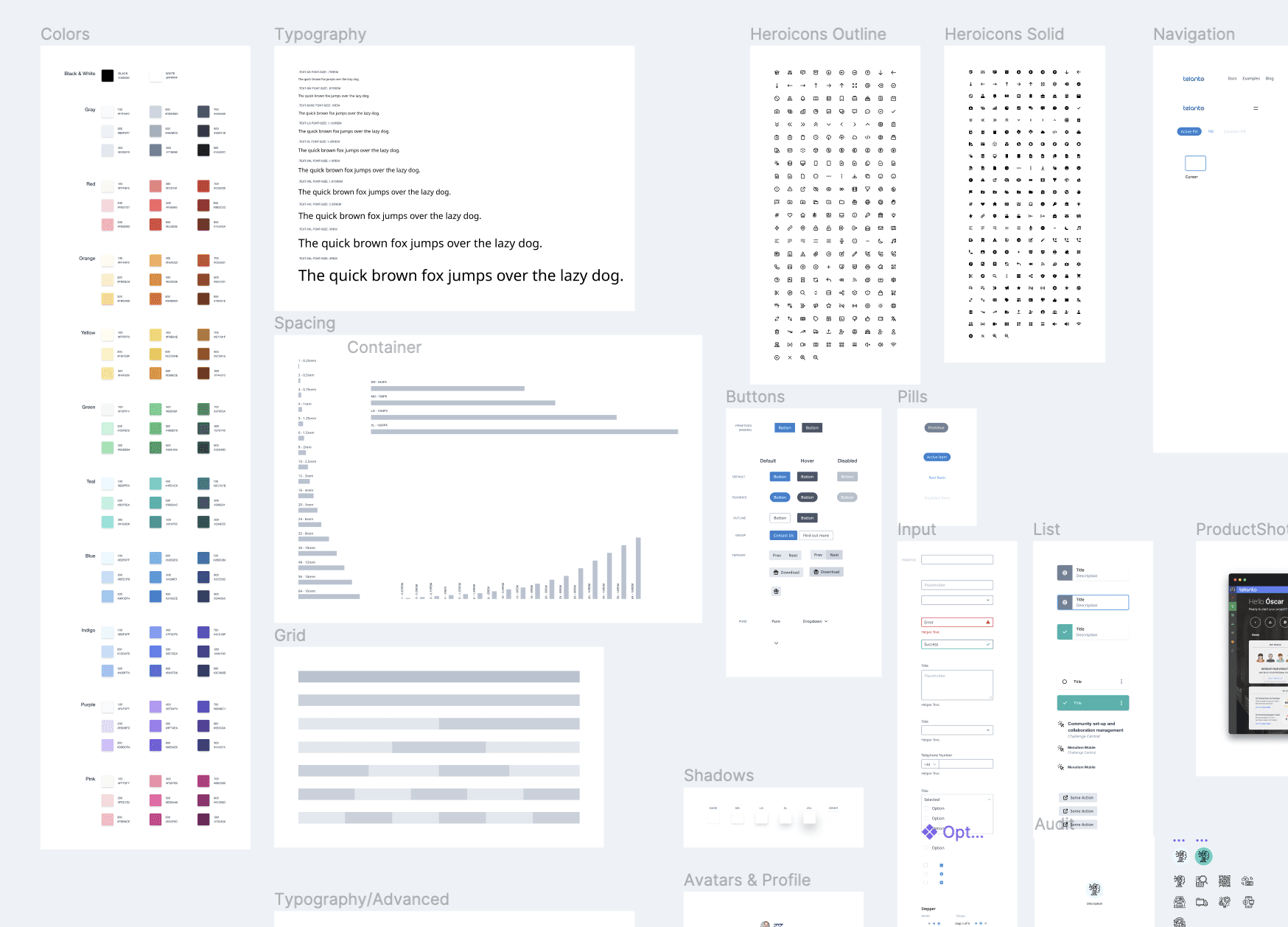
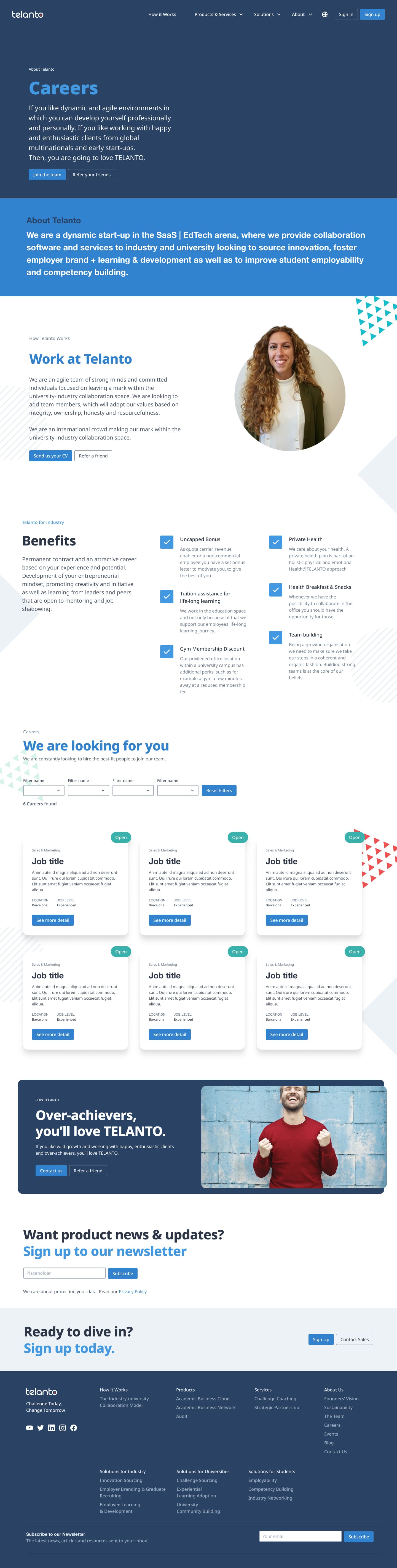
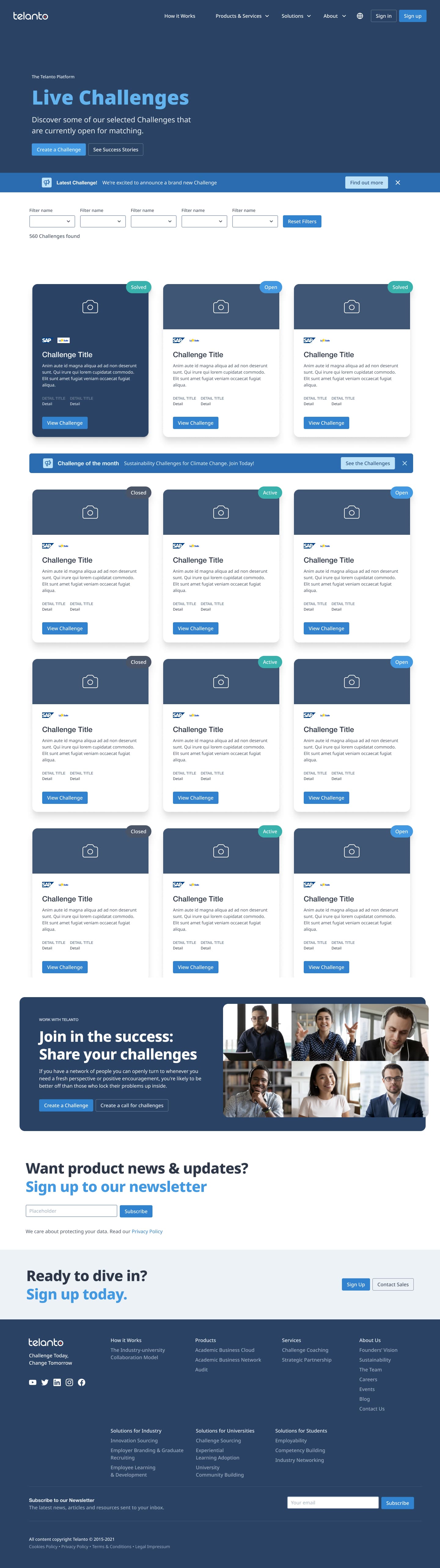
- Design system and full marketing pages website + supporting material — built and shipped.
Process — three acts
Act I — Content workshop
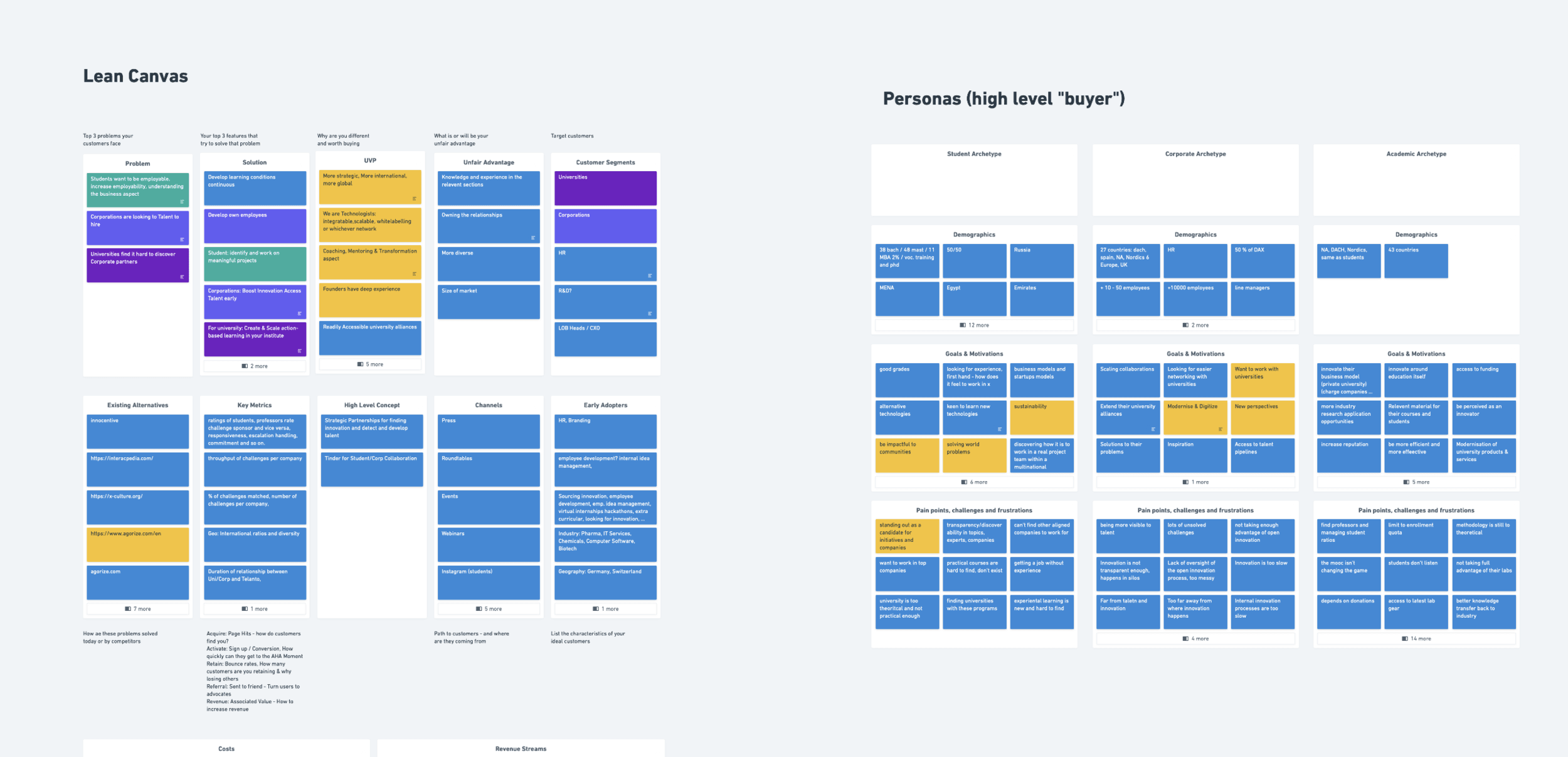
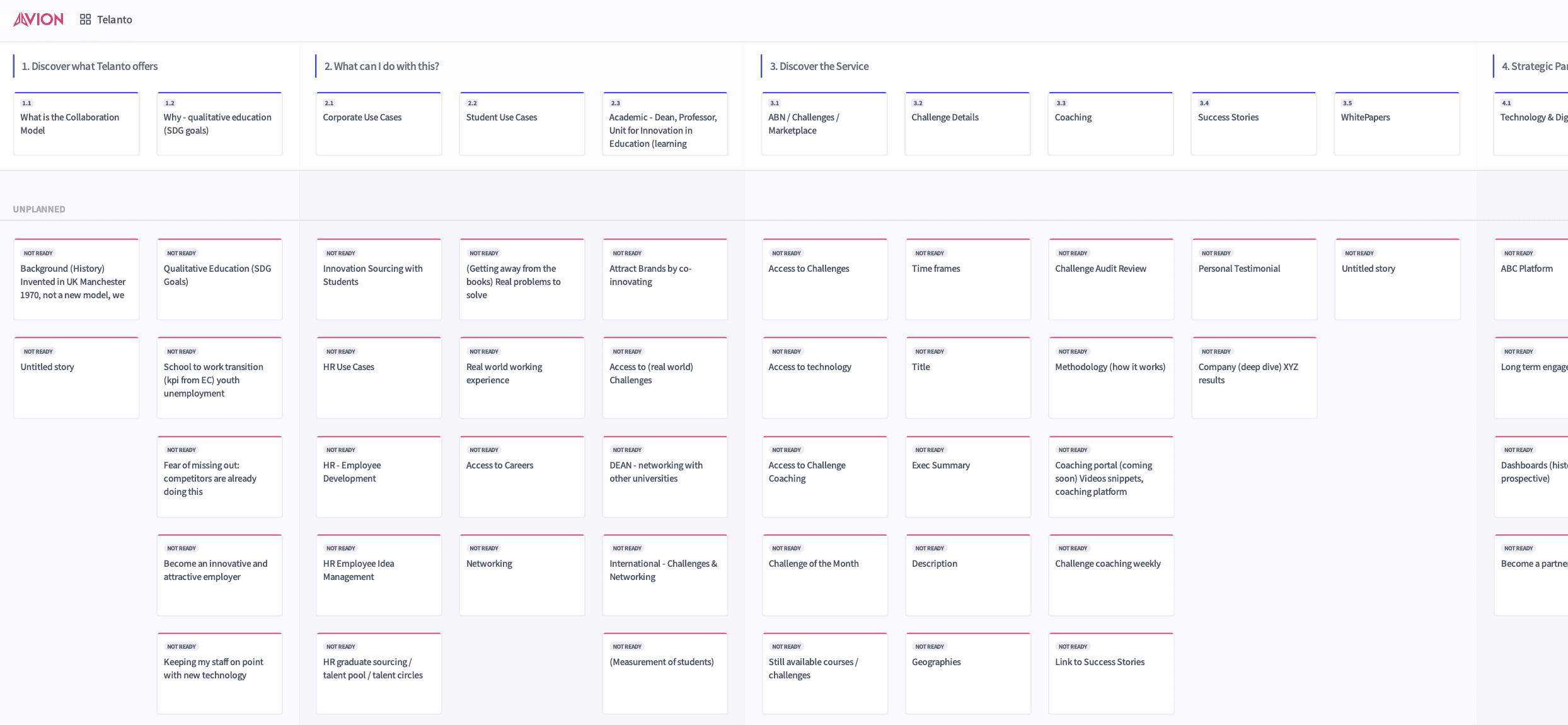
The workshop produced a content architecture that let us empathise with the target audience and explain Telanto's value clearly, then guide them into a lead-generation funnel for the sales team.
Act II — UX, art direction, design system
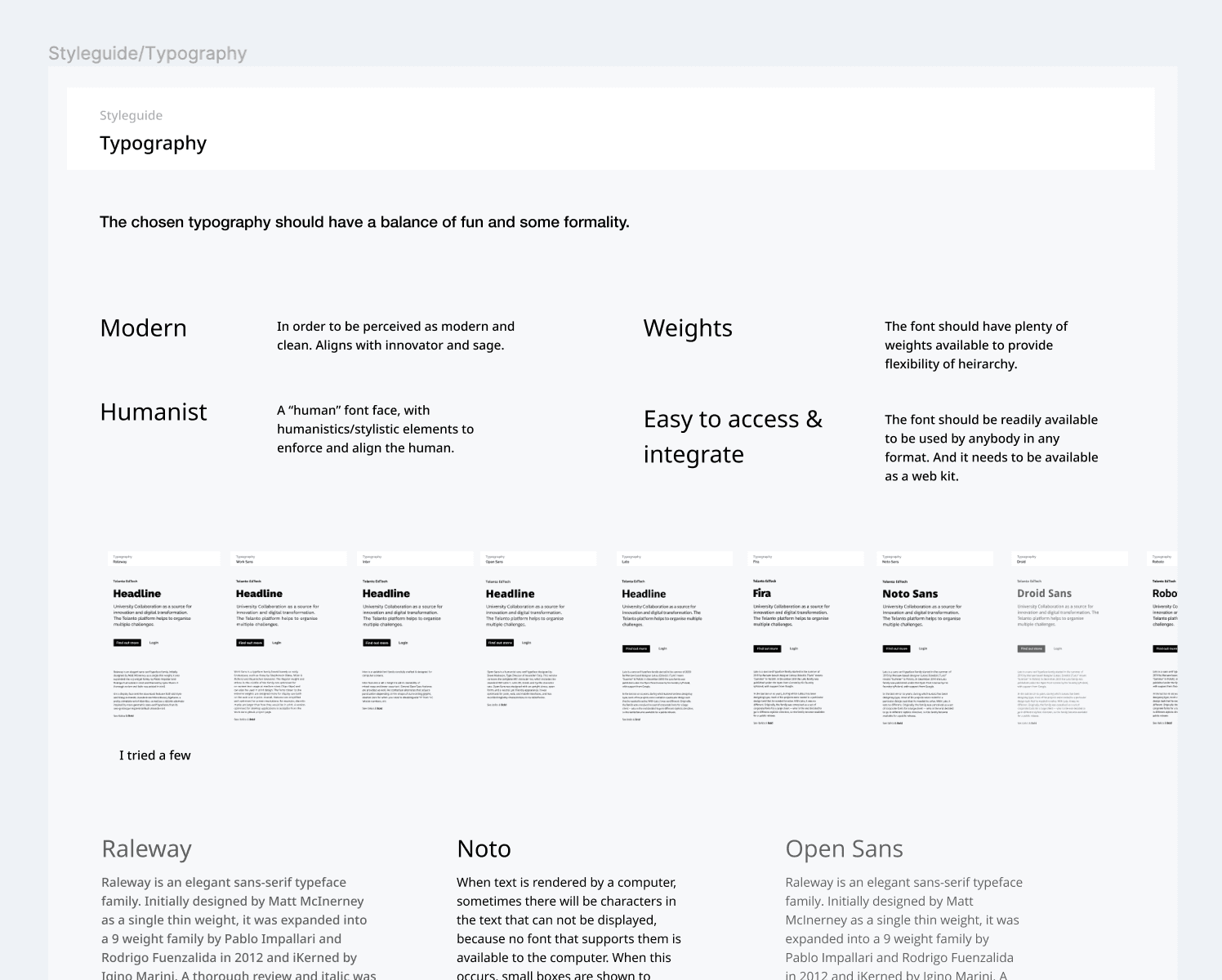
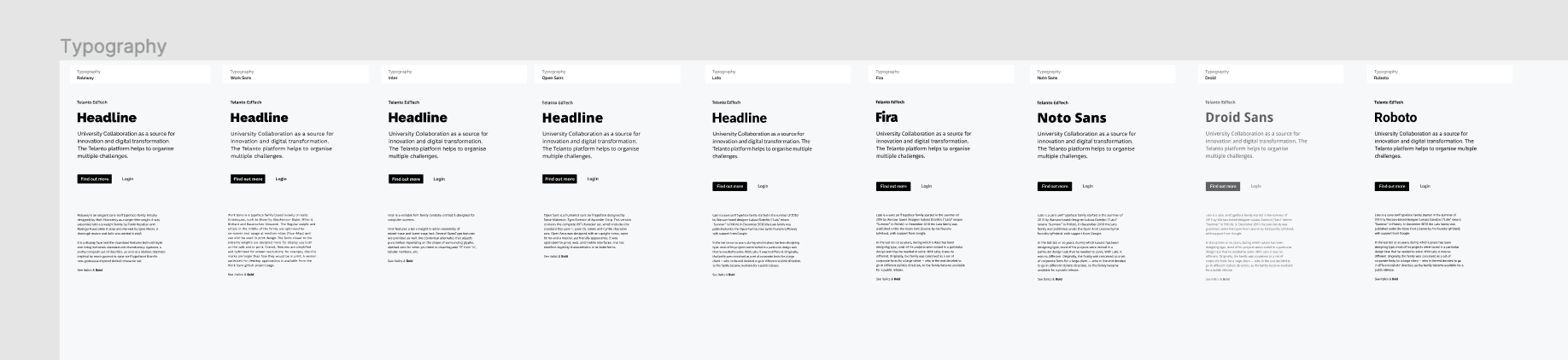
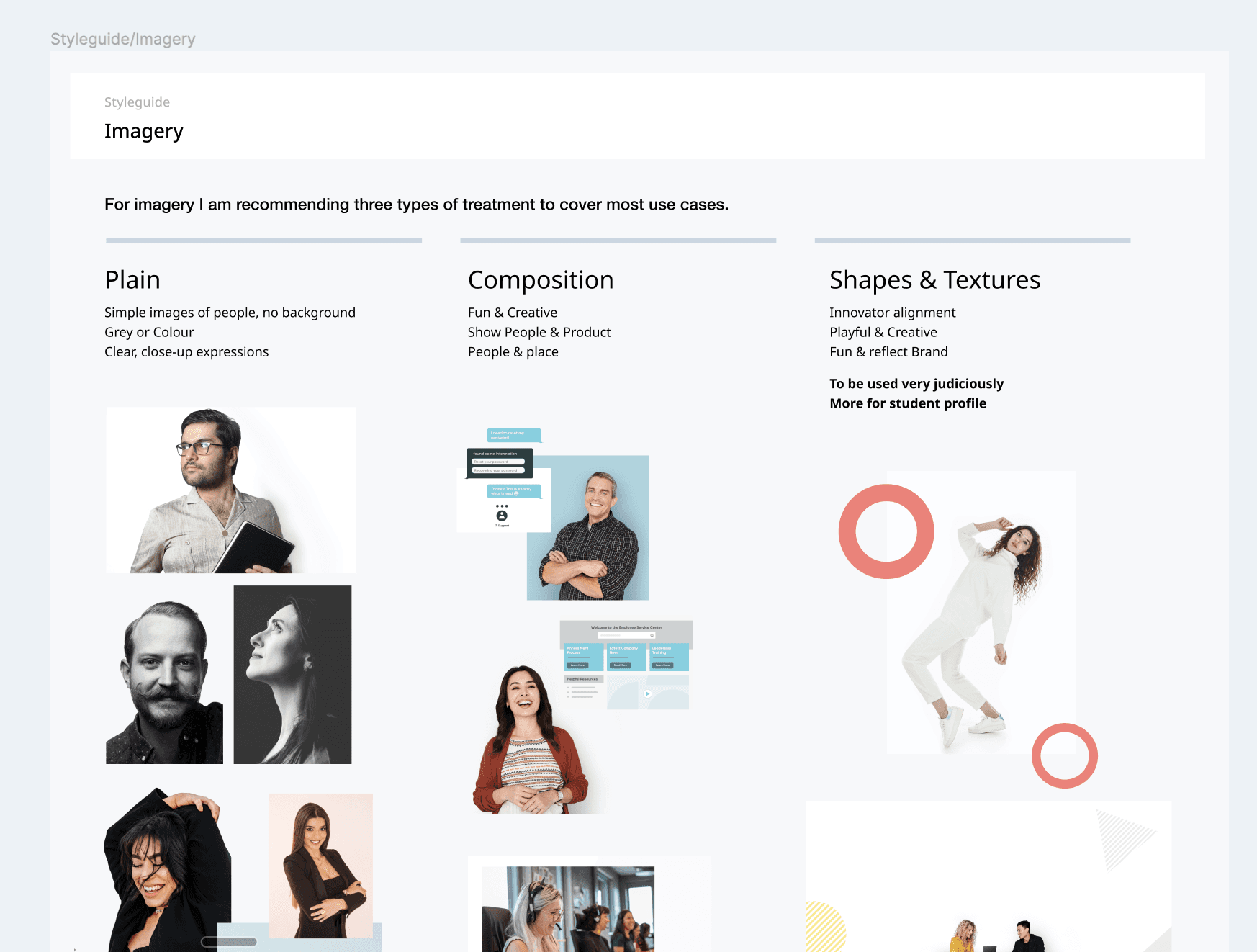
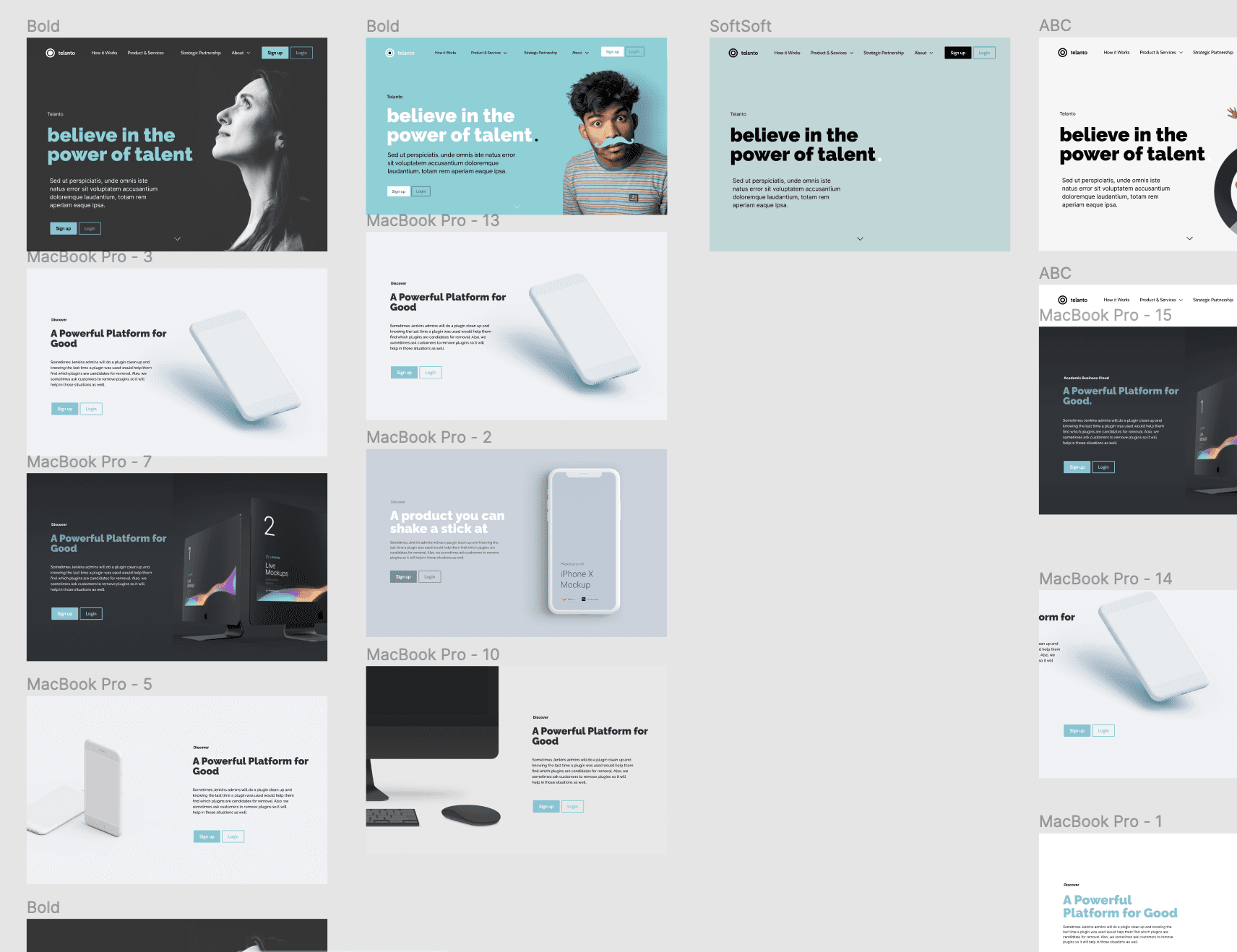
From site UX flow wireframes through art direction and style guides to a full UI design system. Particular attention to typography — Telanto is a global company that will need many language sets, so the type stack had to cover wide character coverage without losing voice.
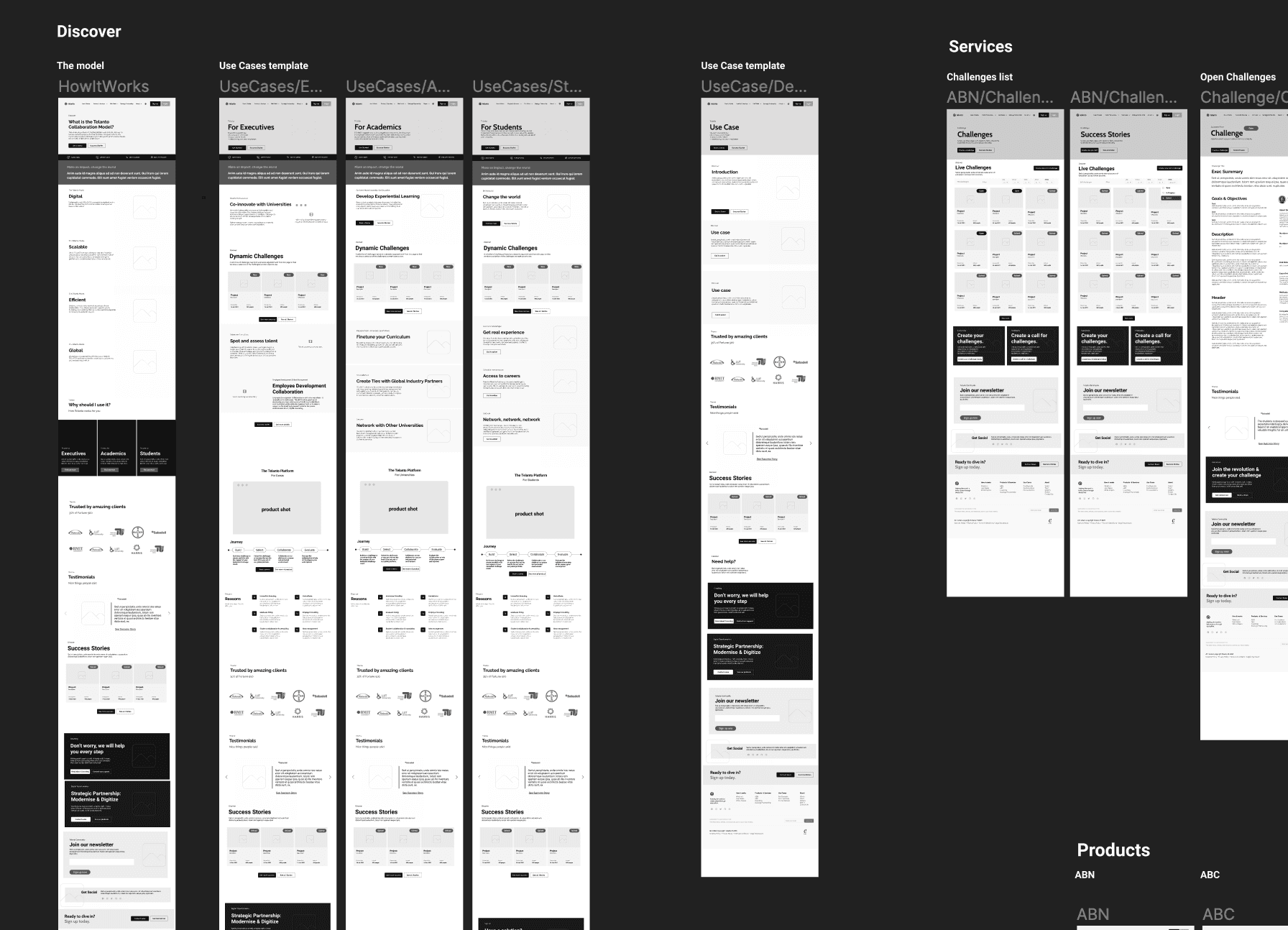
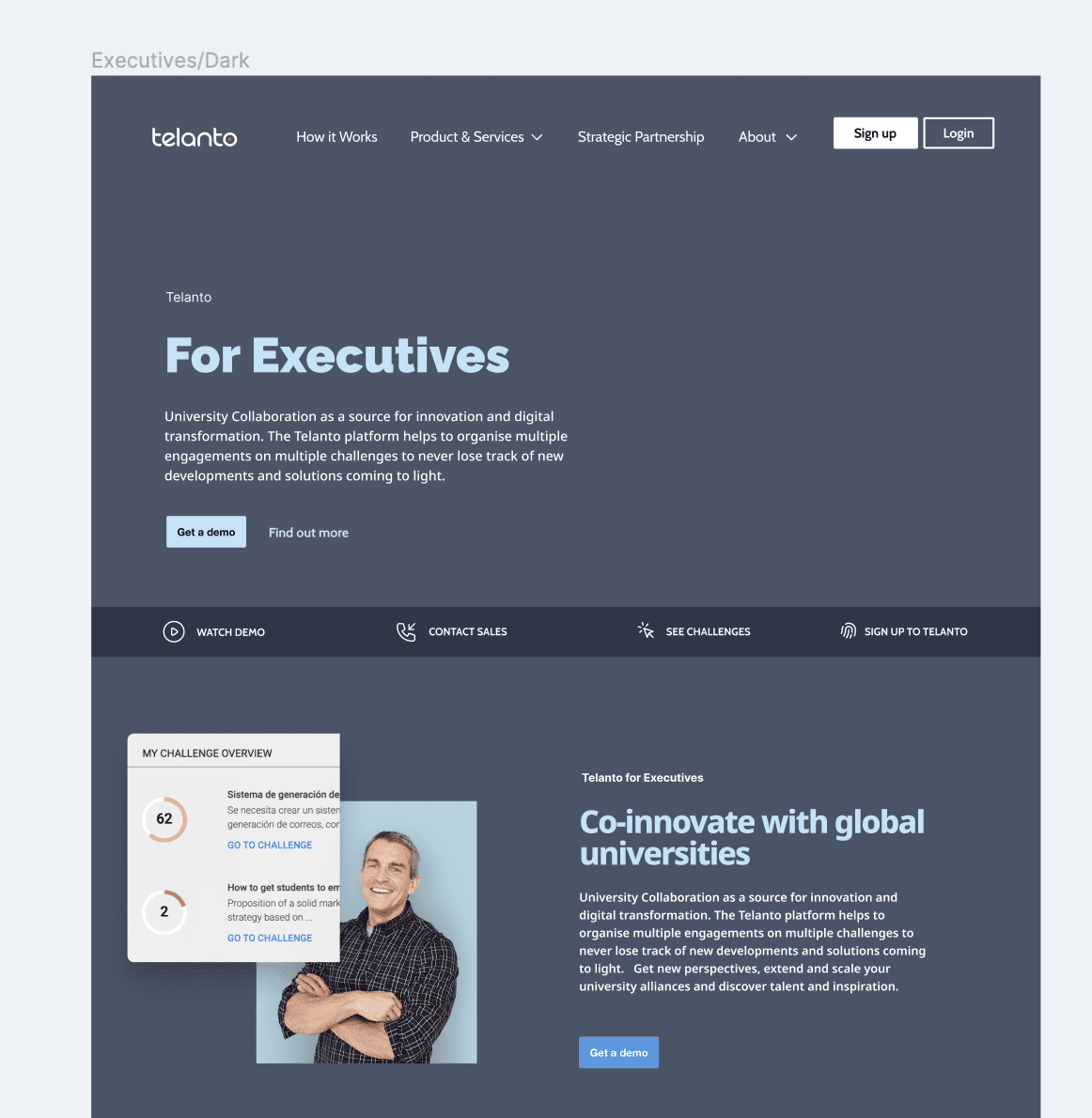
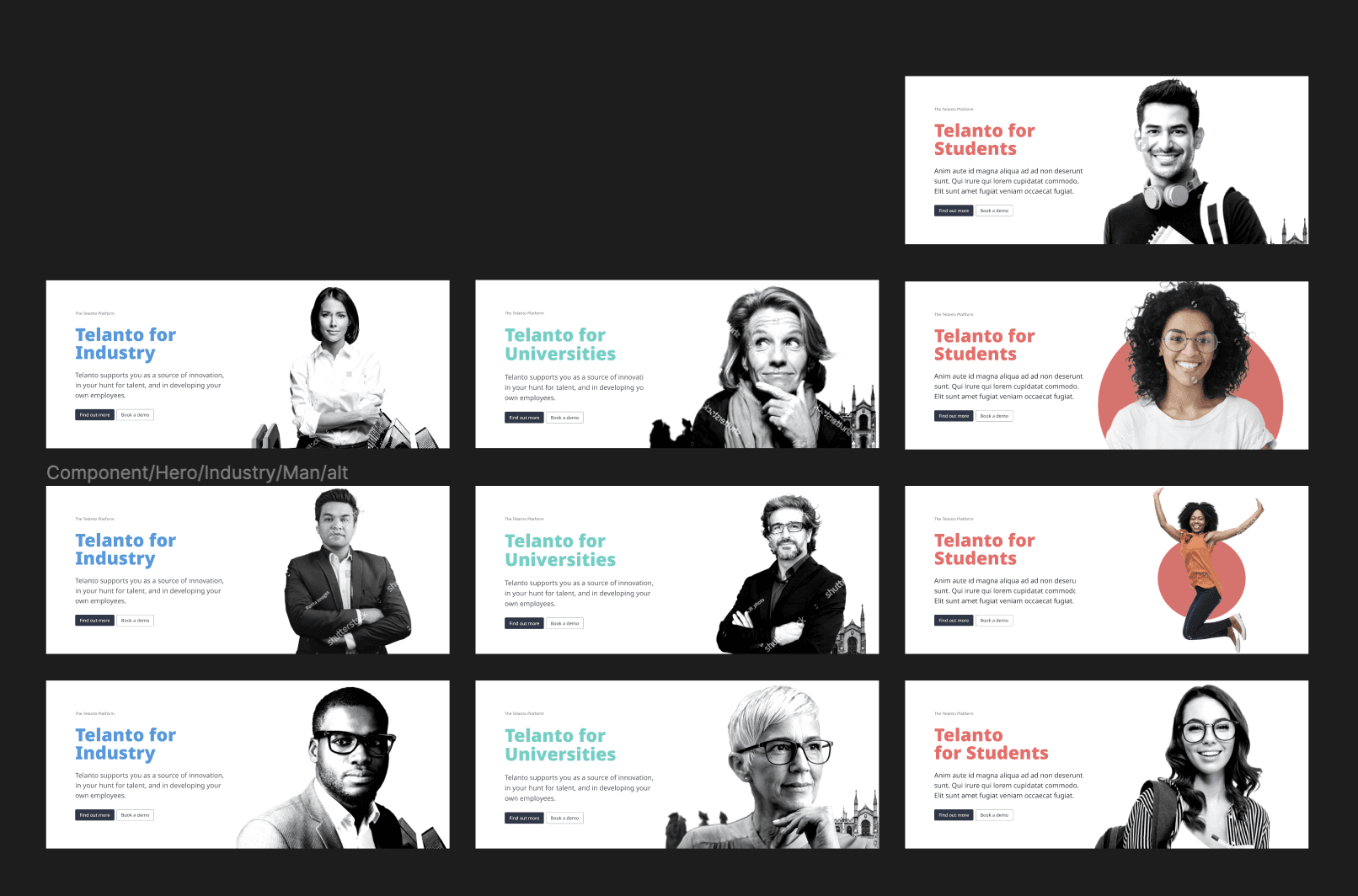
Attention also went into A/B testing and audience targeting through dynamic header and text content based on user profile, so the thread from media campaigns through to lead gen stayed coherent.
Act III — Ship
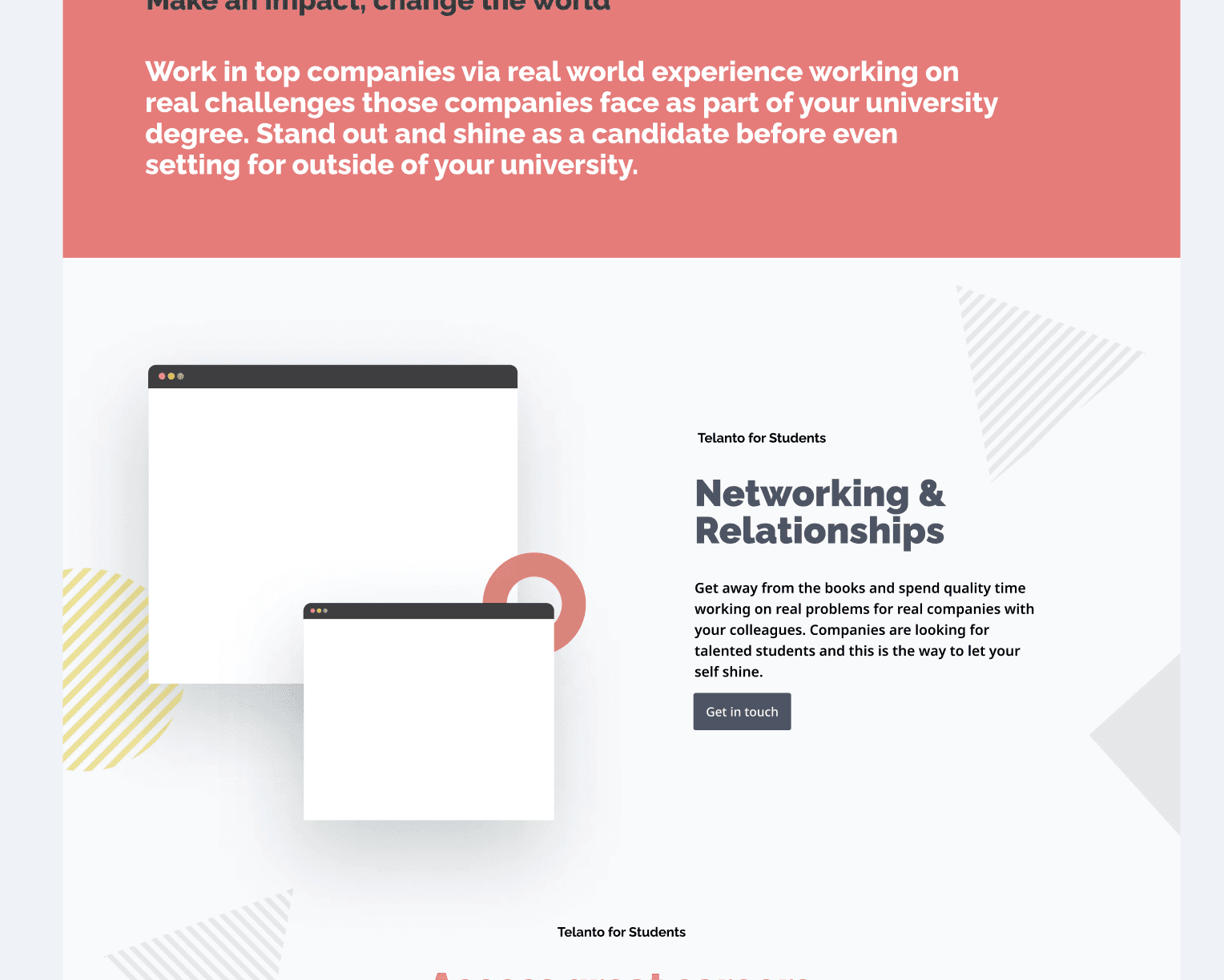
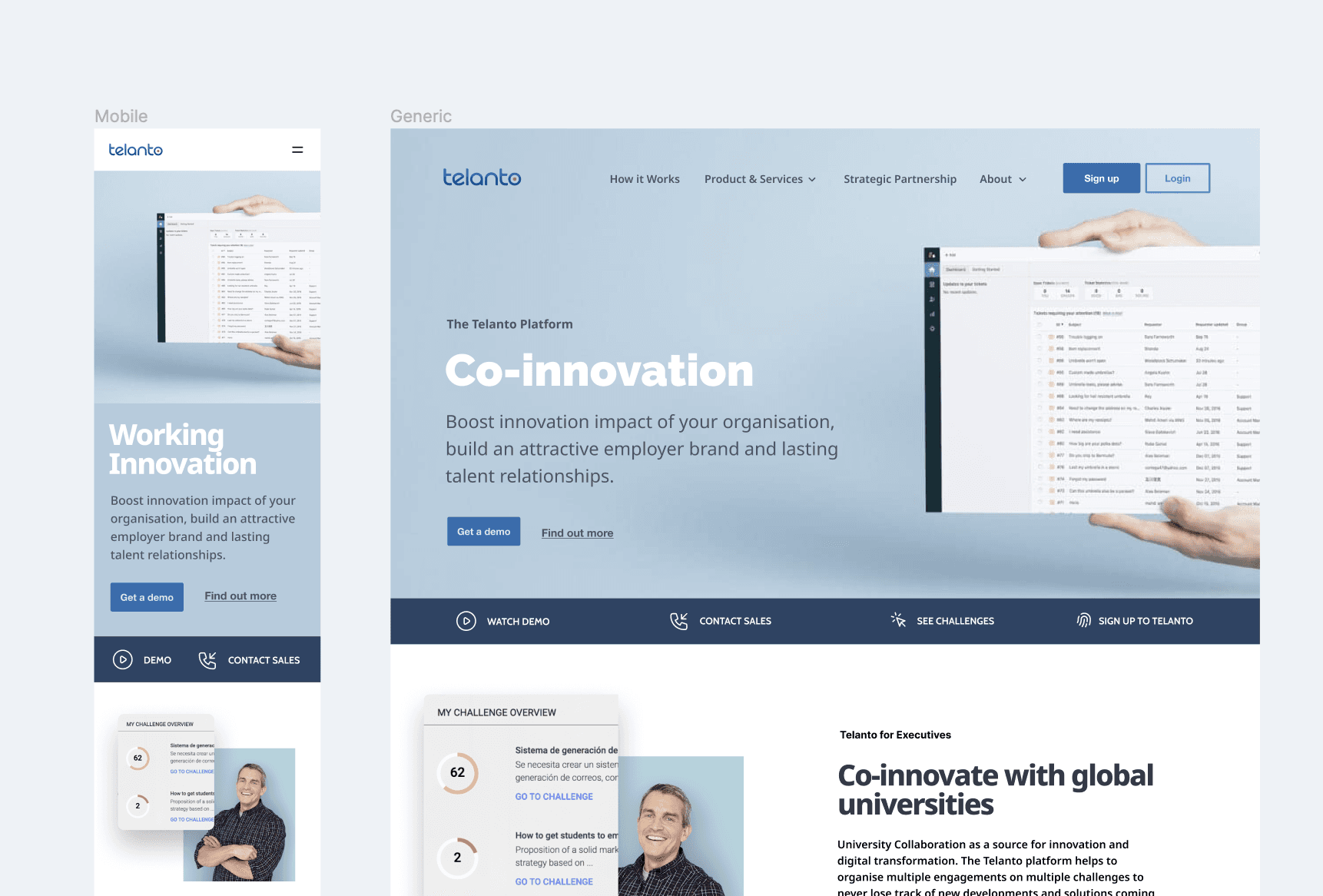
Using the Telanto product content plus the art direction and design system, the website took shape — a JAMStack site with a content-block CMS so Telanto could mix-and-match dynamic content and target audiences more precisely. The backend connects to the front end for live updates and promotions tied to their Challenges and customer experience stories. Responsive throughout.



Outcome
- Shipped: brand refresh + full marketing site + design system + content language + supporting material.
- Operating signal: a 2-person team carried what is normally a 5–7 person scope, because content + brand + product + system were under one author.
What I'd do differently
I would package the content workshop as a reusable artefact earlier: a named offer, a cleaner handover deck, and a repeatable decision log that founders could keep using after the site shipped. The workshop was already doing more than copywriting; it was turning a complex product story into operating language. I would now make that method explicit from day one, so the design system, marketing site, and product language all inherit the same strategic spine.