Building a UX function inside a pre-IPO DevOps enterprise
I joined CloudBees as a designer and grew the design organisation from 3 to 9, while leading a redesign customers called a “quantum leap” and shipping the company’s first AI dashboard.
Head of Design (inherited)
3 → 9 designers
Platform UX · Design System (HoneyUI) · AI/agentic prototypes
ongoing
Context
CloudBees is a pre-IPO DevOps enterprise platform with strong technical capabilities, but the experience reflected its organisational and product complexity: fragmented navigation, inconsistent UI patterns across products, complex onboarding, divergent mental models between teams, and UX entering too late in the lifecycle. The product was respected; the platform felt fragmented. Customers were carrying the cognitive load.
I joined at the point where those fractures were becoming a growth problem. The company needed more than cleaner screens. It needed a UX function that could connect research, product strategy, design systems, hiring, and delivery into one operating model.
Role & team
What I led
- As IC: I led a core-product redesign through research, framing, and delivery. Customers called the result a quantum leap; the migrated pages reached 100% adoption through a version-switching mechanism in roughly six months.
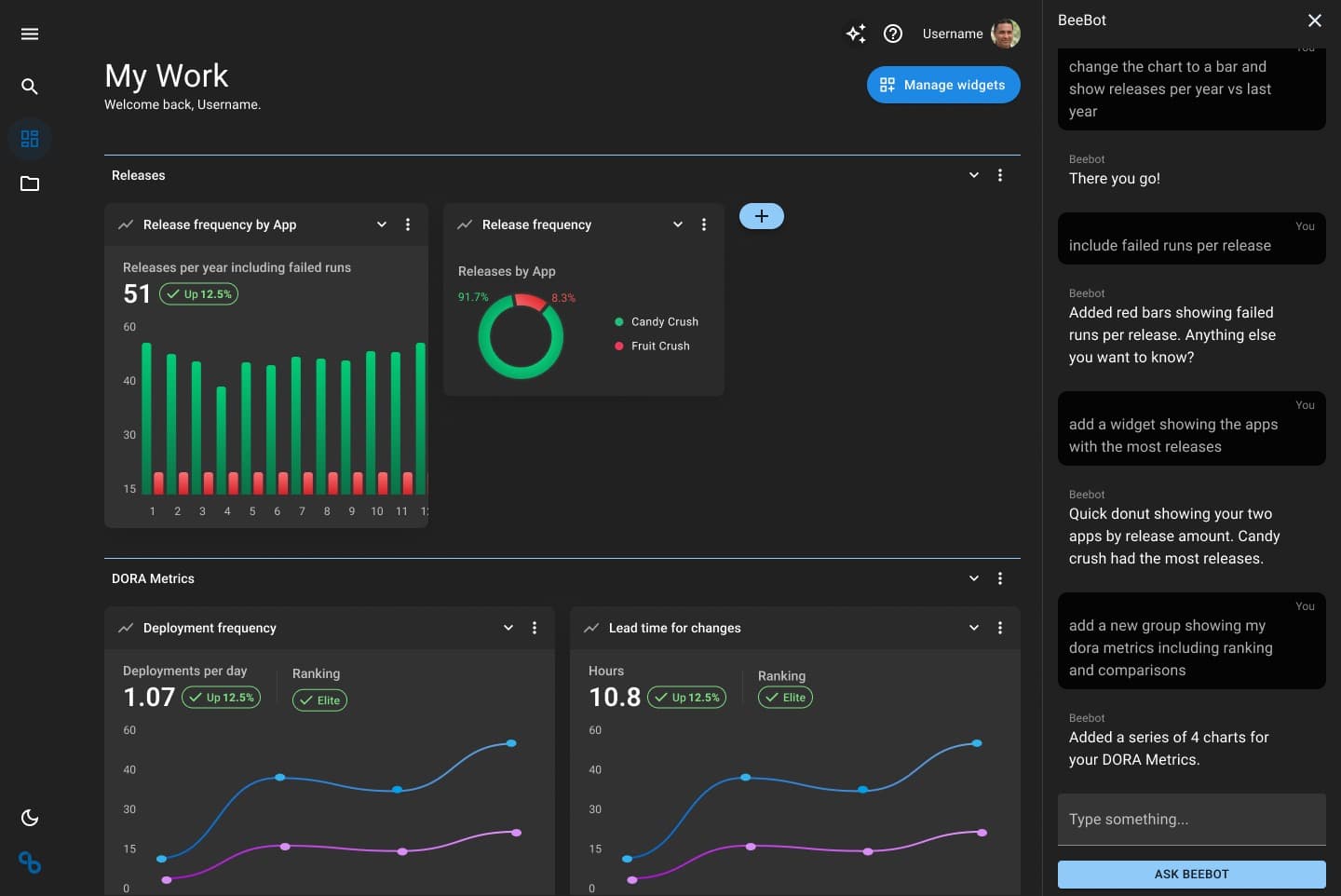
- As lead: I built and ran BeeBot, an AI Chatbot Dashboard prototype at the 2022/23 hackathon. It became the company's first agentic UI bet and later fed roadmap conversations about AI dashboards and assistant-led workflows.
- As Head of Design: I hired the team from 3 to 9, established hiring priorities and team rhythms, and moved UX upstream through navigation, IA, ResearchOps, HoneyUI, onboarding, and workflow programmes.
Process — three acts
Act I — Audit and reframe
That reframing mattered because it gave product teams a shared north star. Navigation was no longer a local menu problem. Onboarding was no longer an isolated first-run flow. HoneyUI was no longer a kit on the side. They became parts of the same platform story.
Act II — Initiative chain
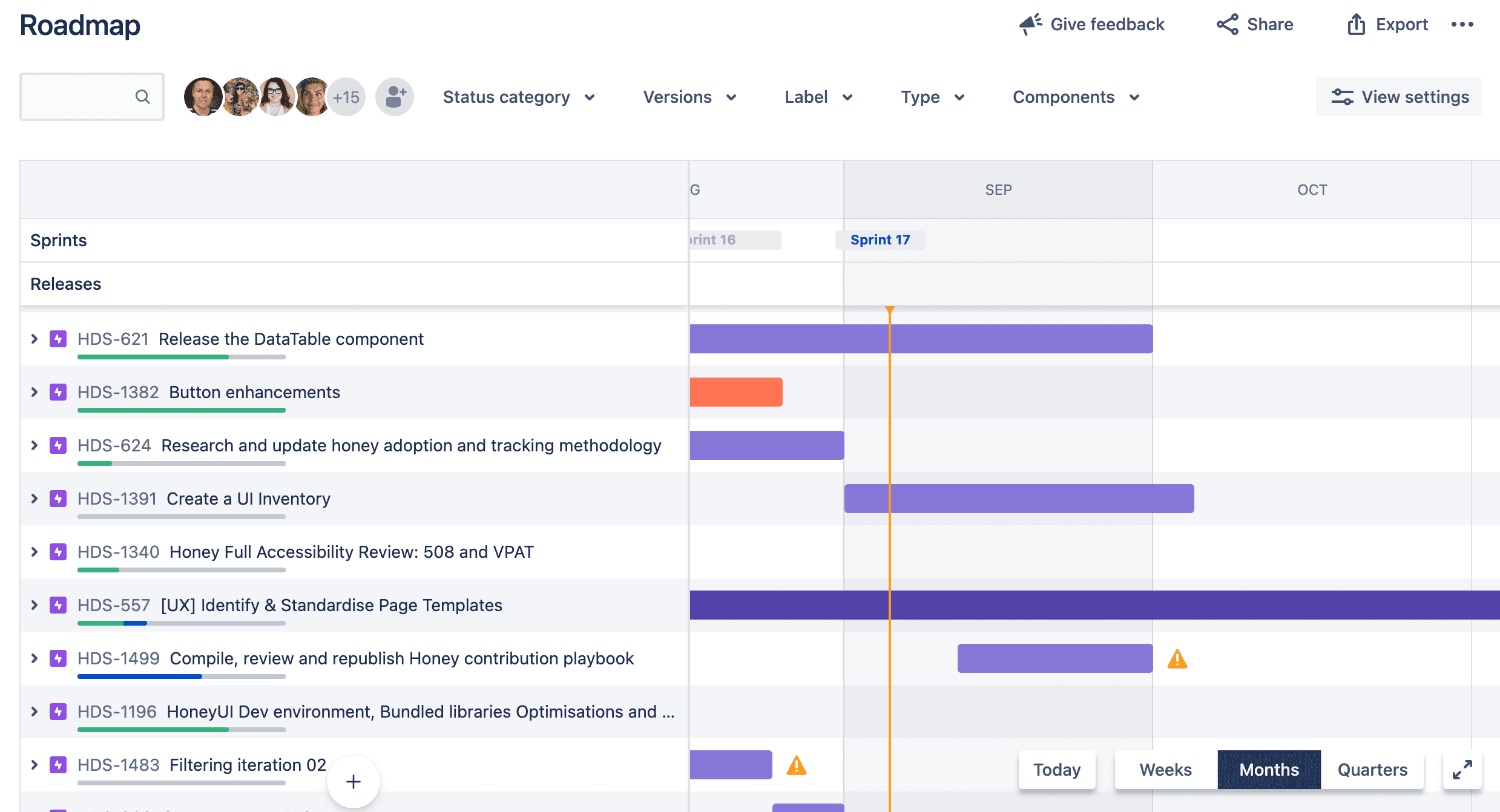
I then linked the work into five tracks: navigation and IA, onboarding and activation, HoneyUI adoption, workflow simplification, and platform-thinking initiatives such as object models and reusable interaction patterns. Each track had a designer-owner, a PM partner, and a rolling weekly review.
HoneyUI — the design system the platform runs on
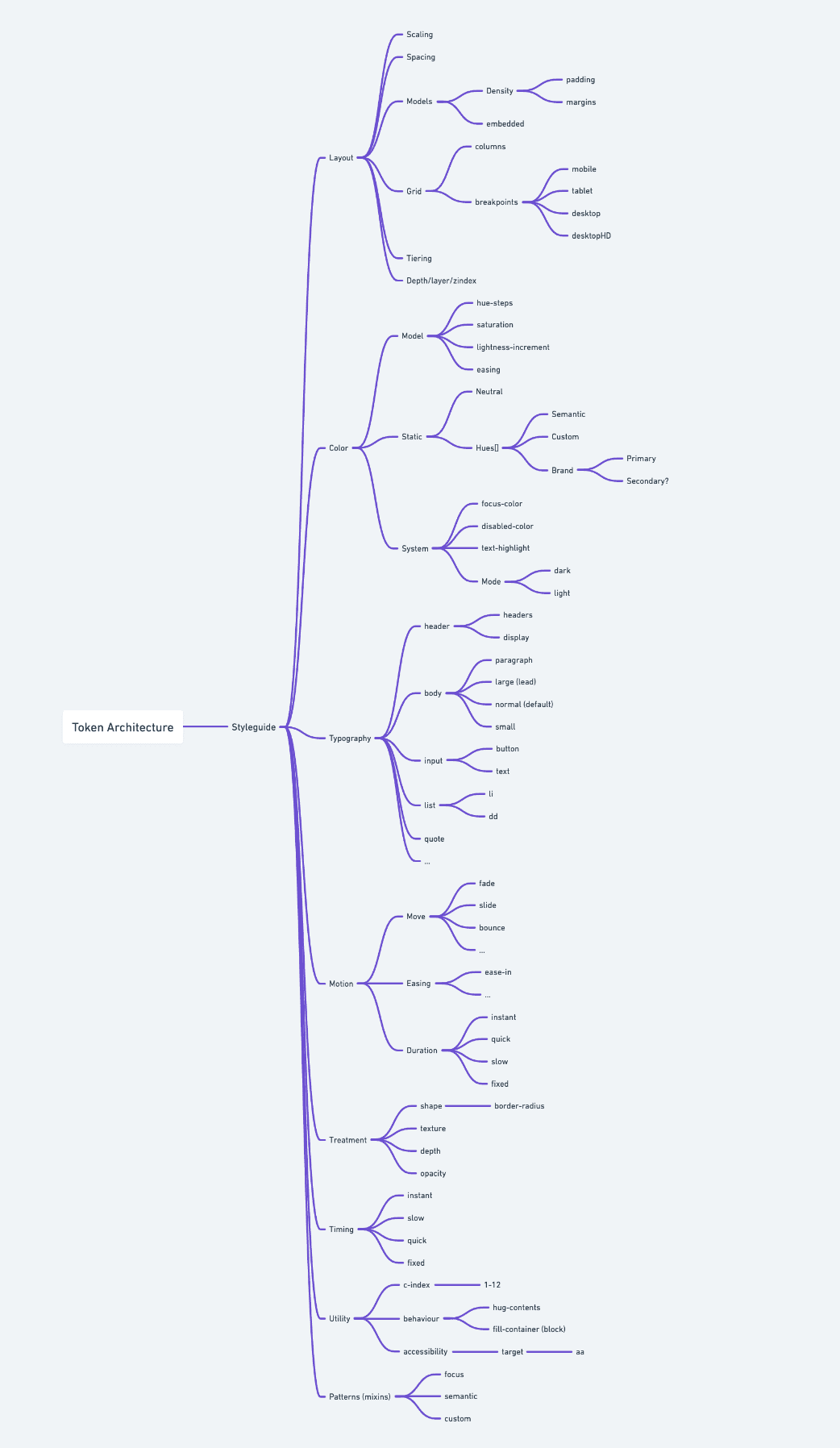
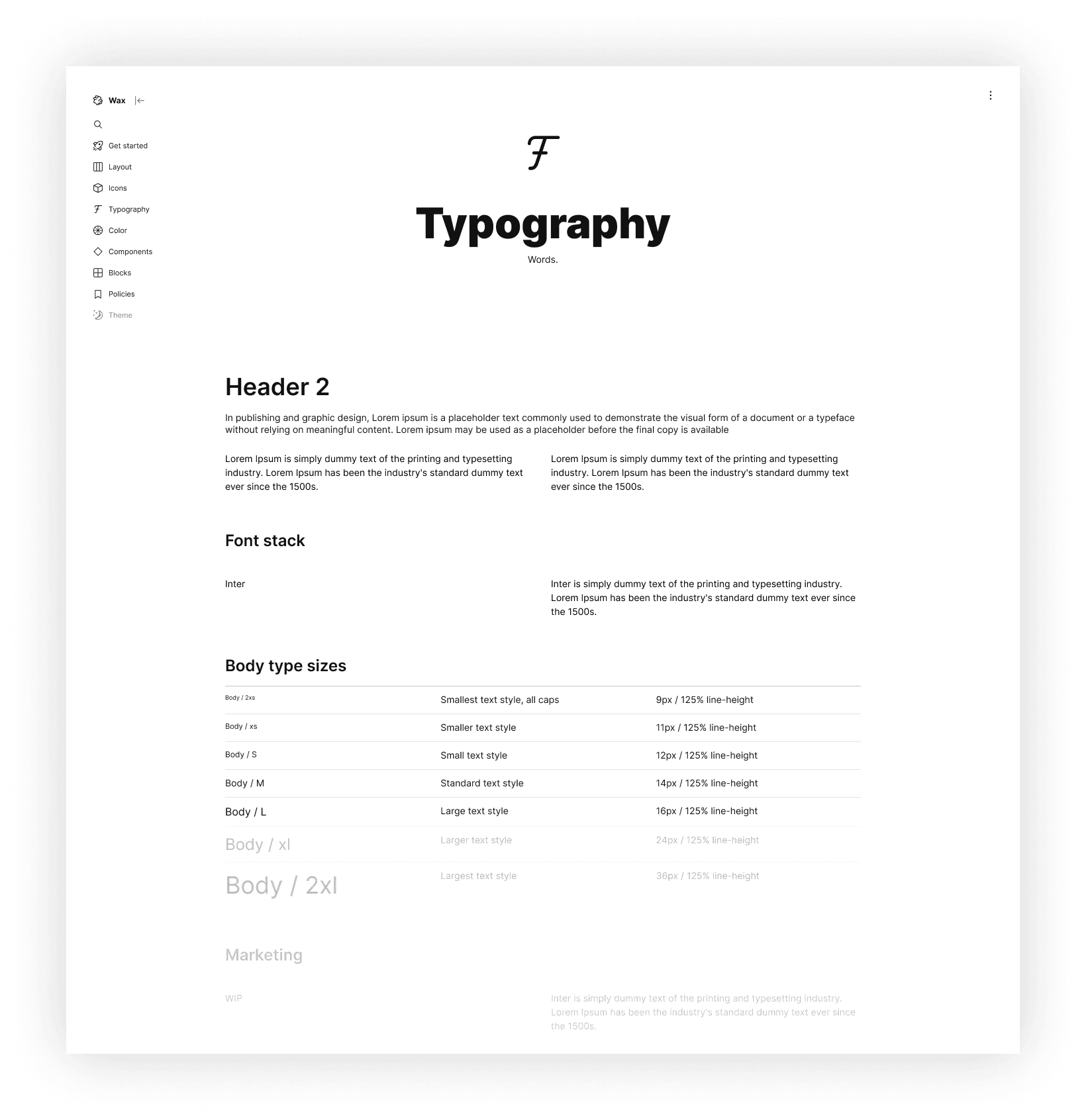
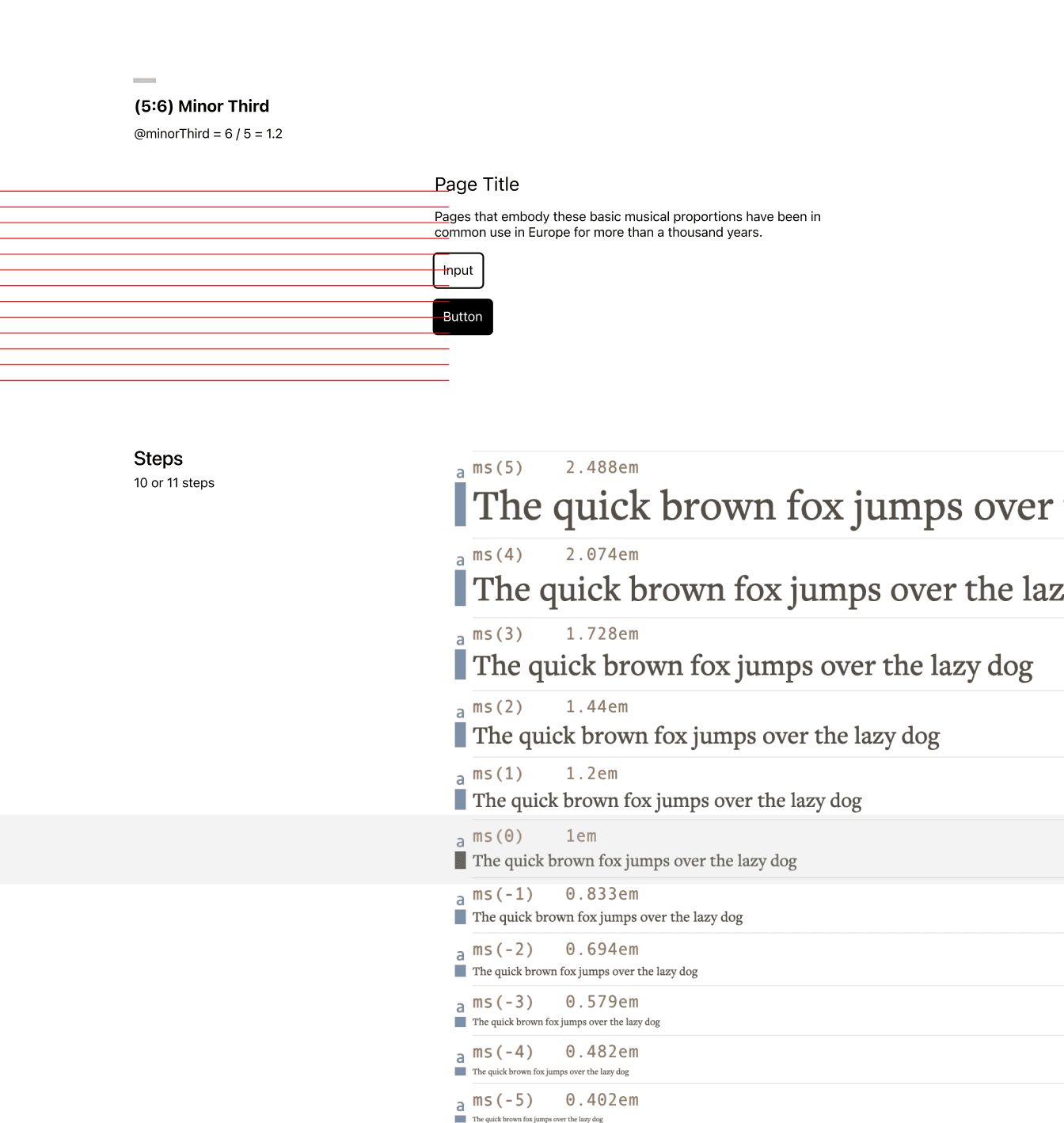
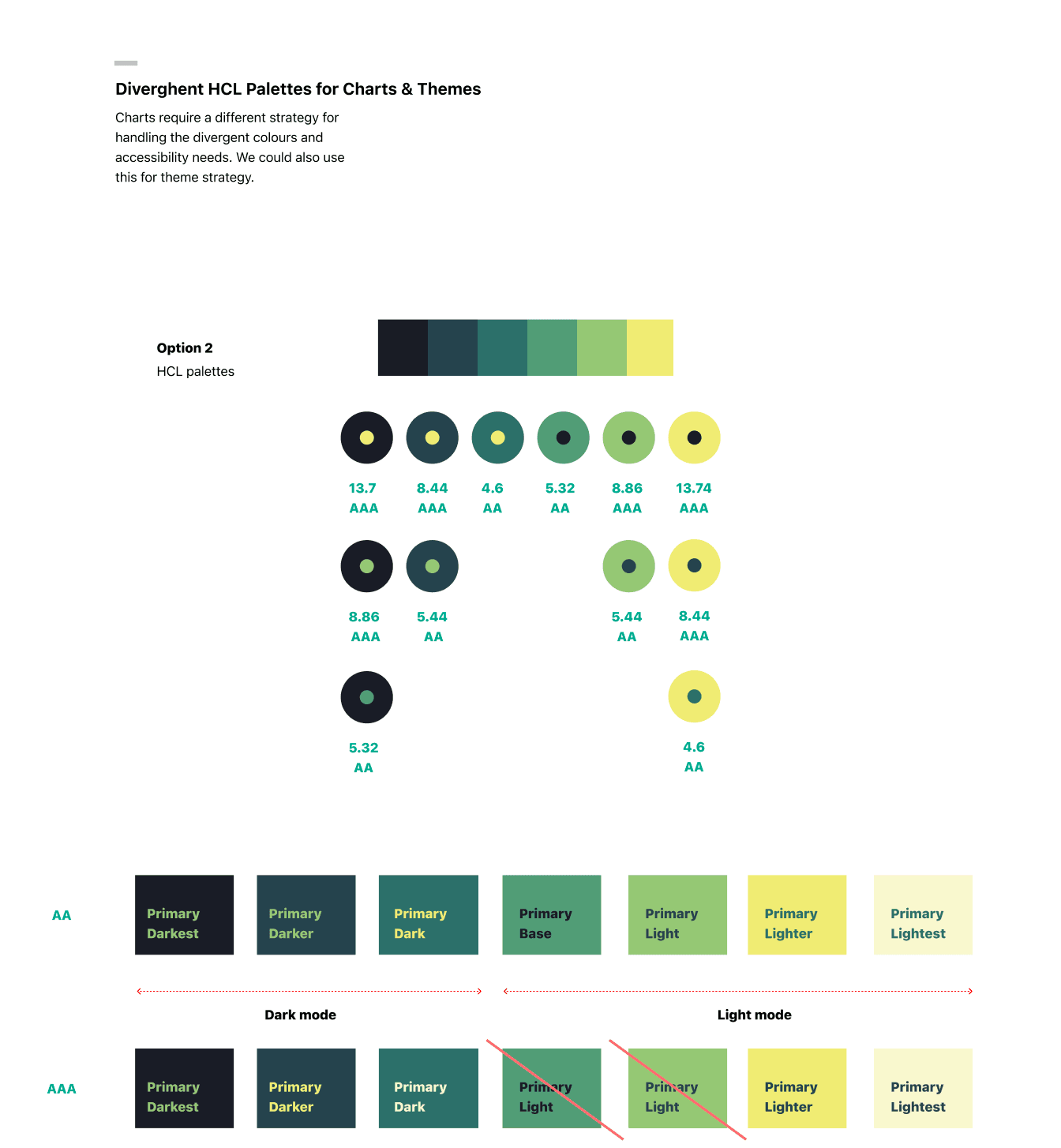
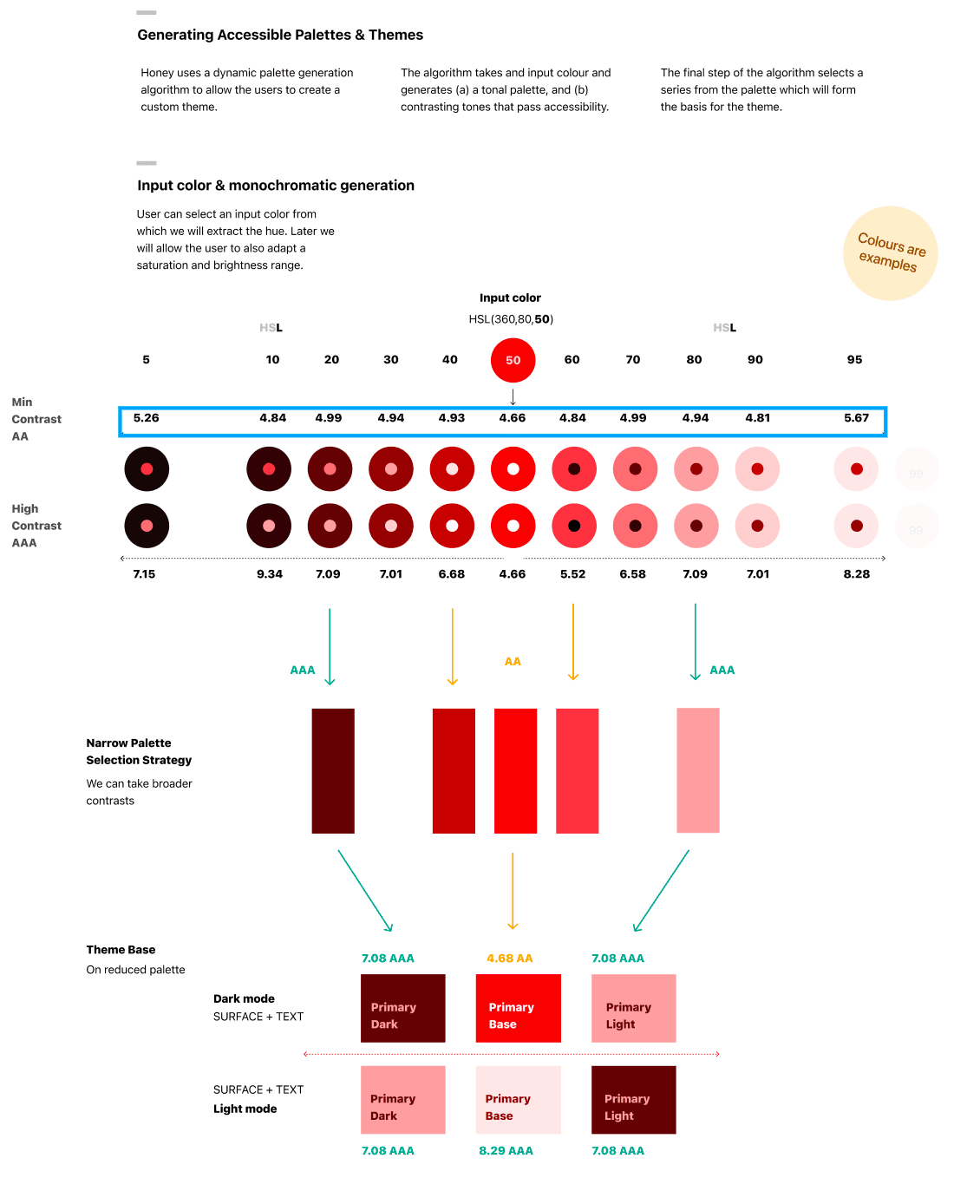
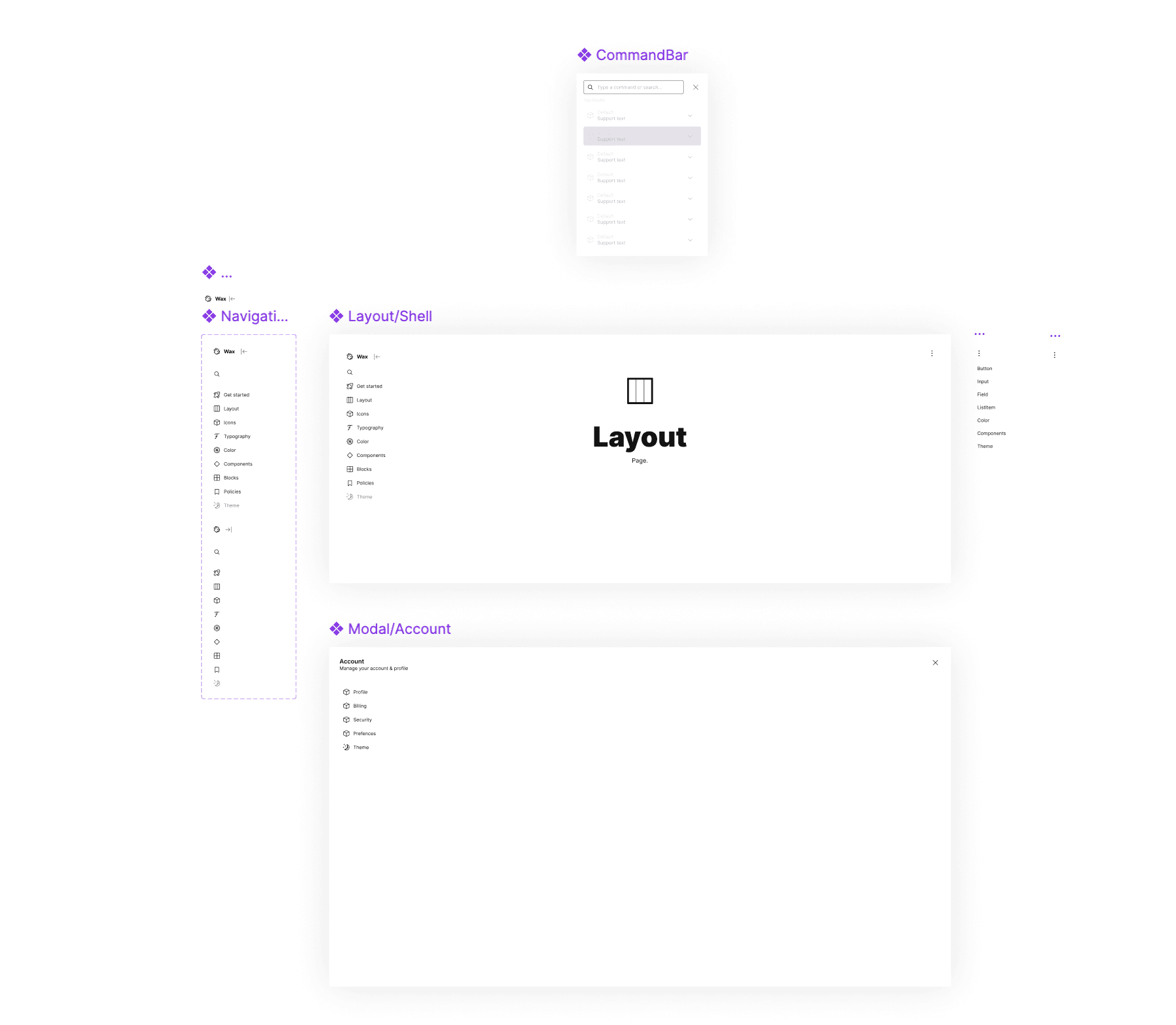
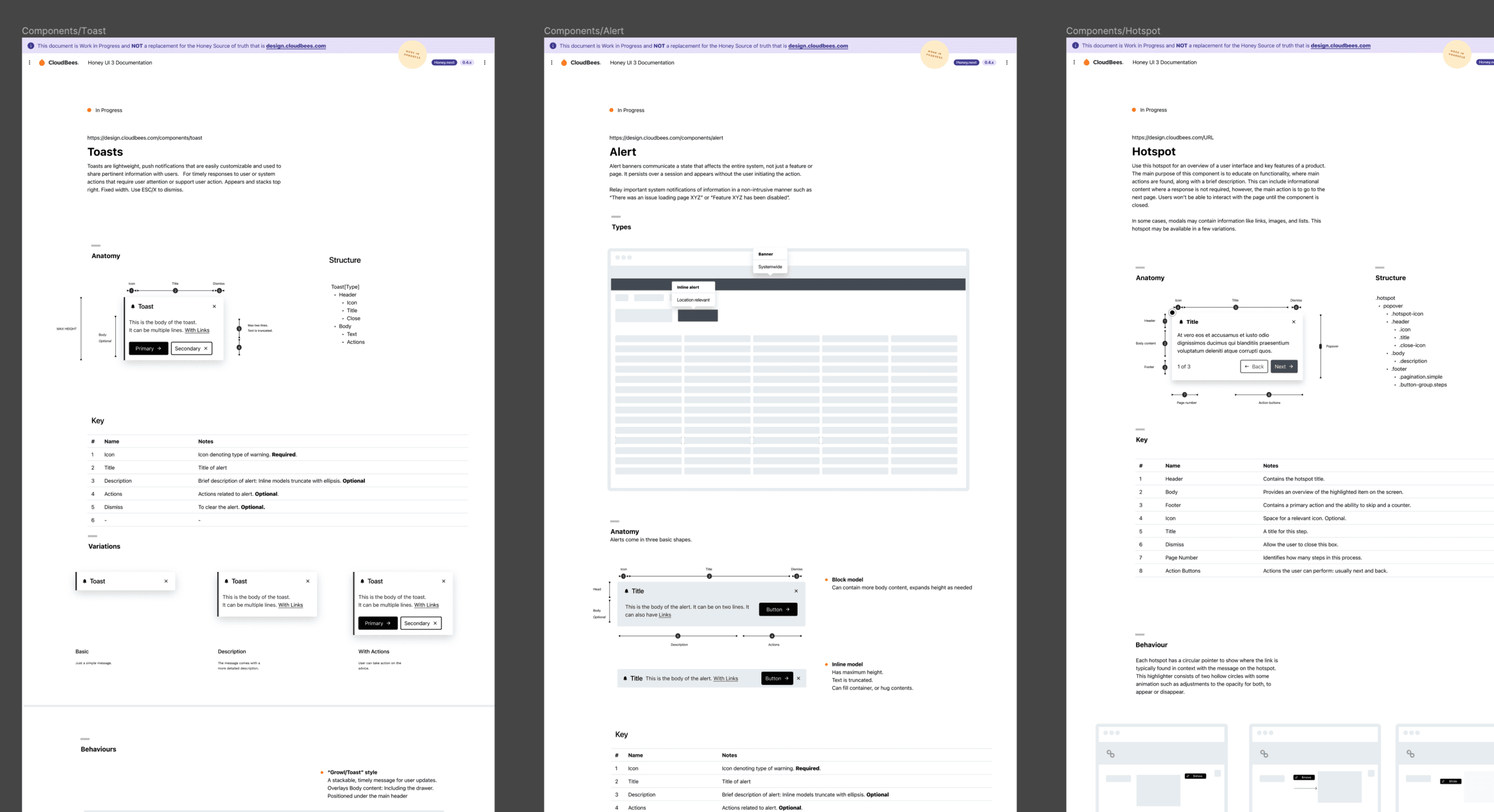
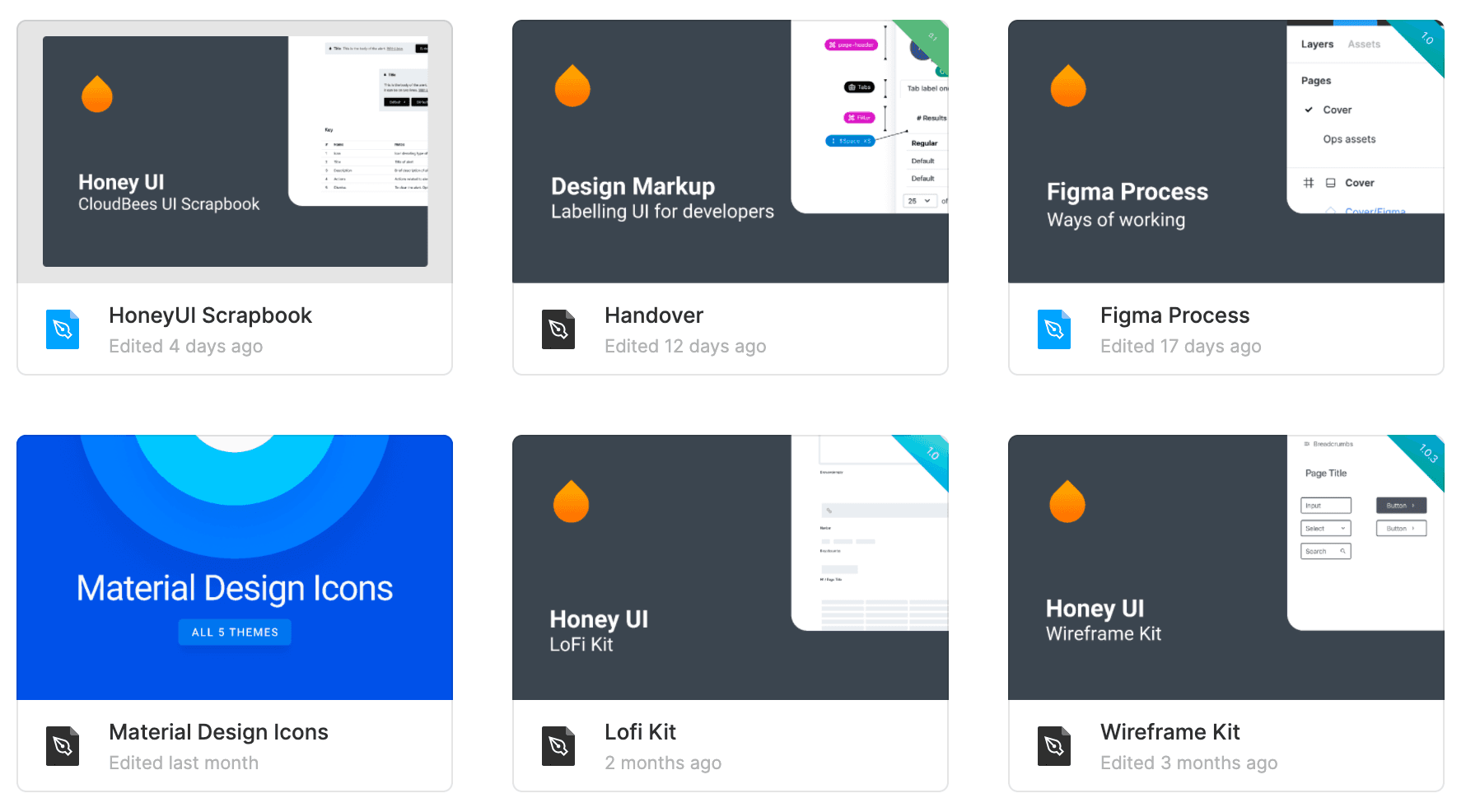
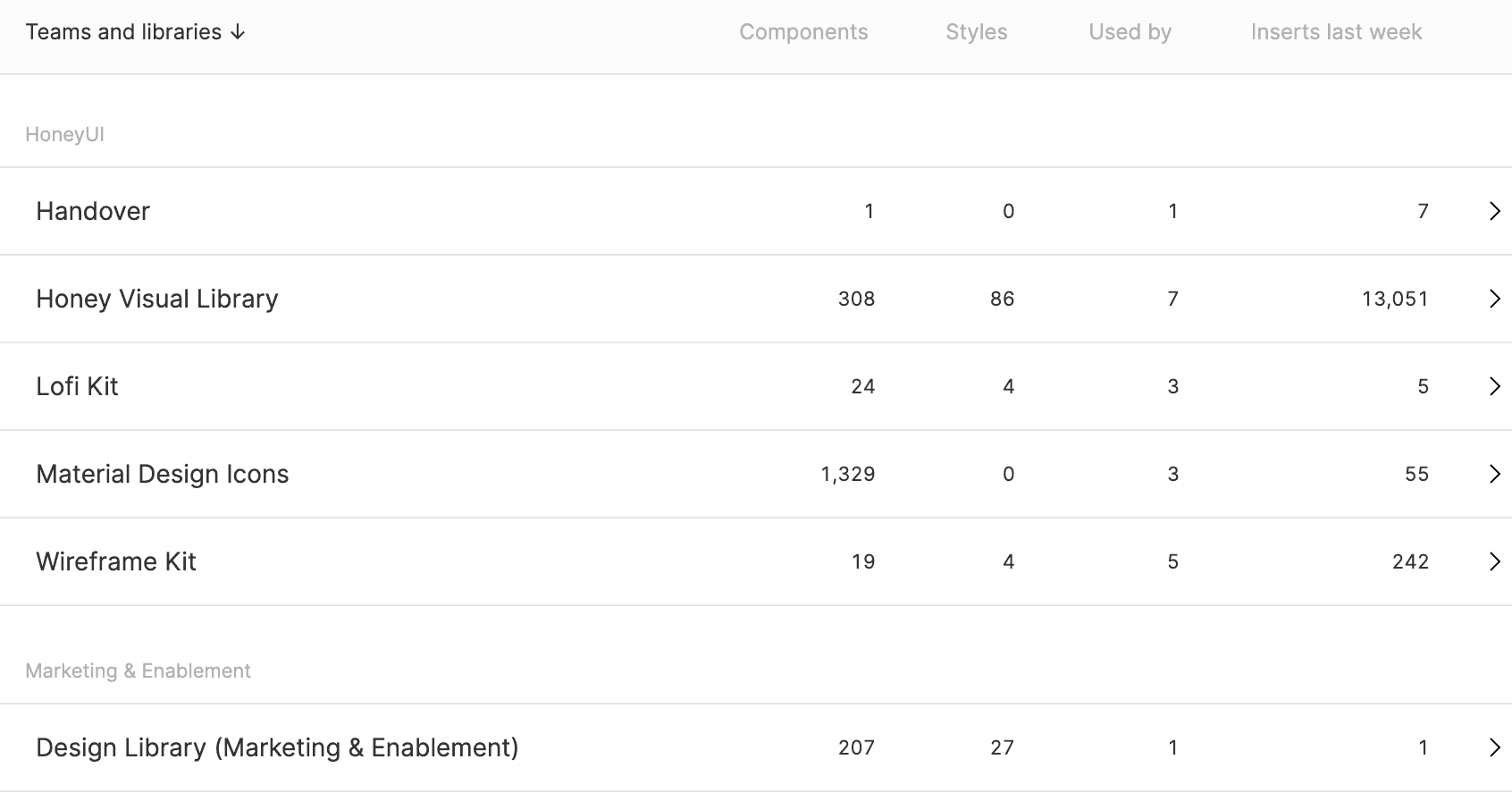
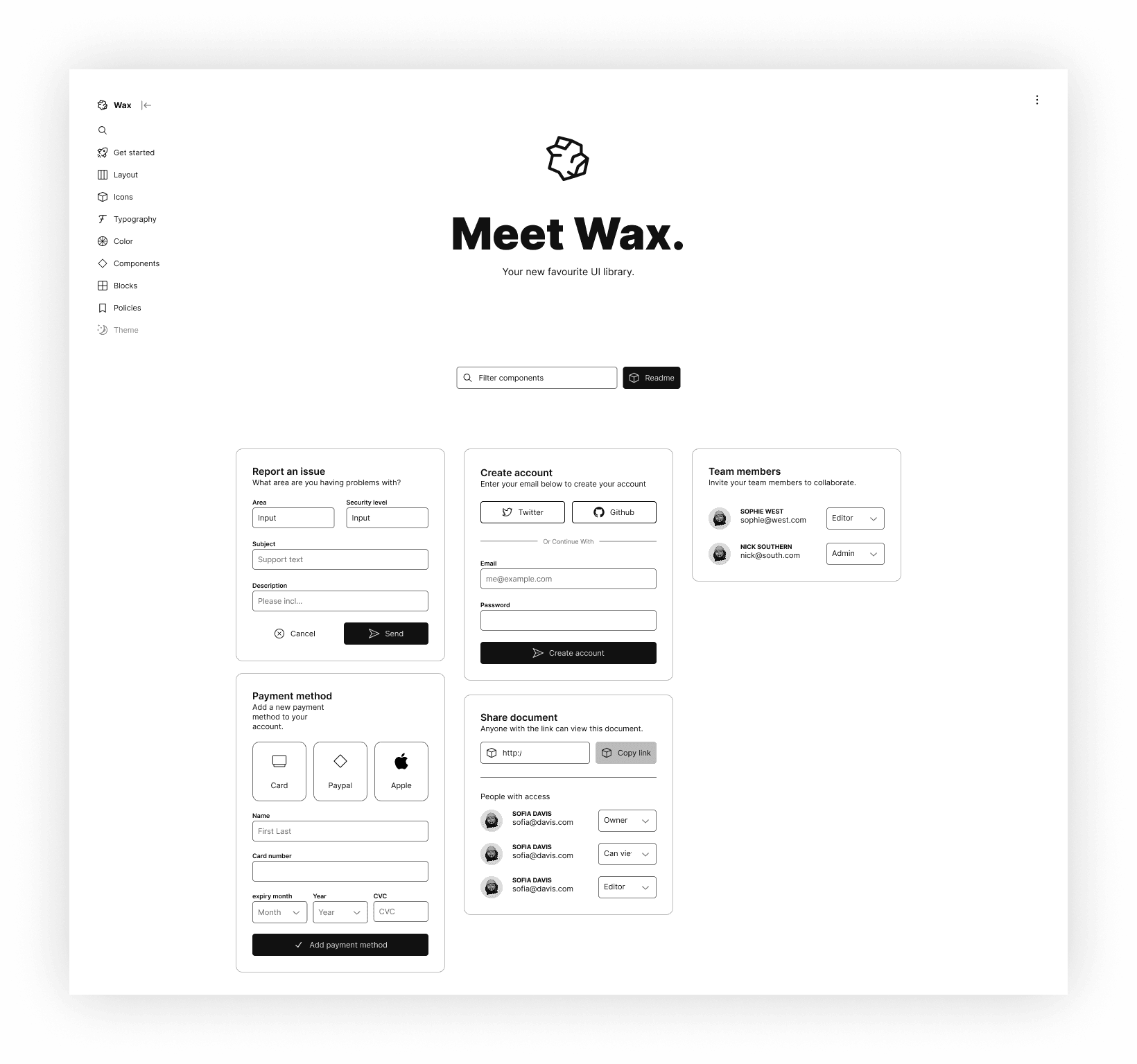
HoneyUI is CloudBees' production design system. I drove it from a documentation kit into the connective tissue of the platform: a token architecture shared with the Wax wireframing layer, a typographic system with modular scaling, a theming model with dynamic colour, and a layout system designers and engineers consume identically.
ResearchOps — the rails under the research practice
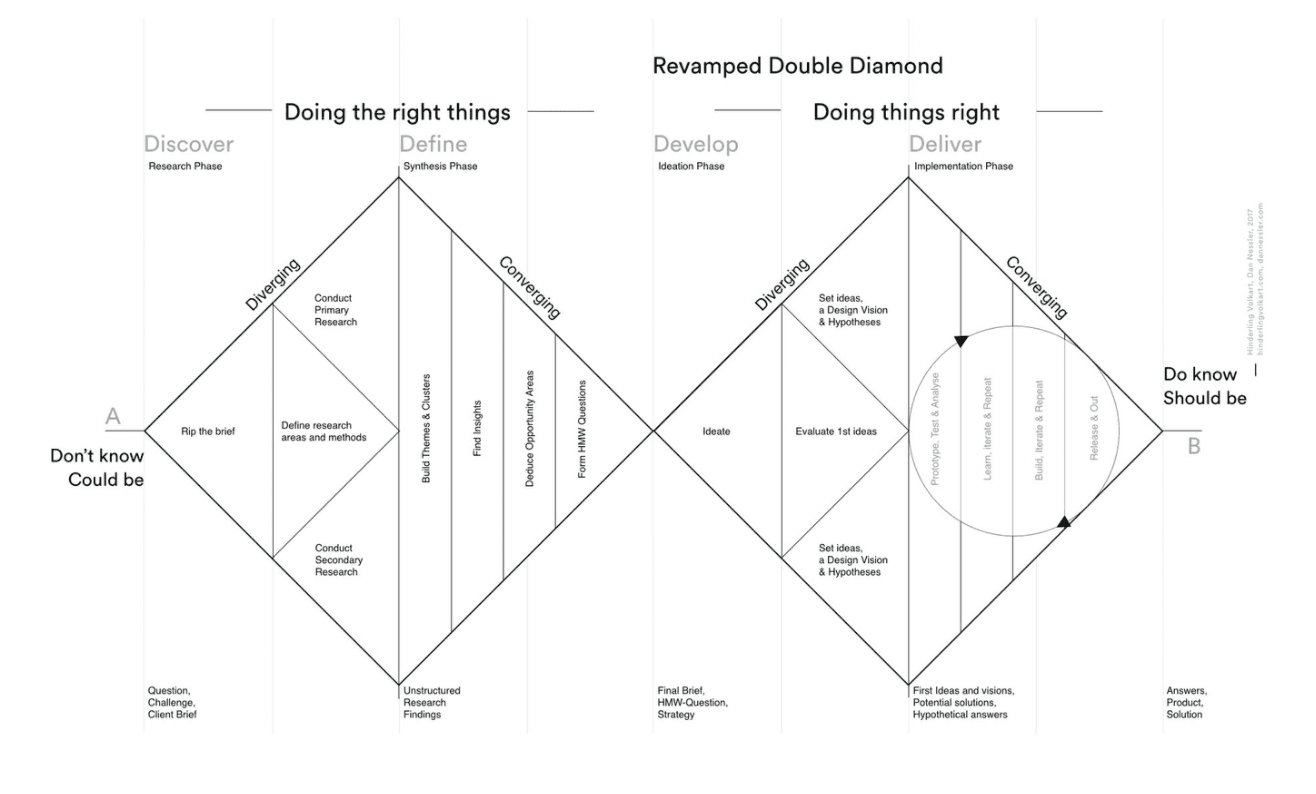
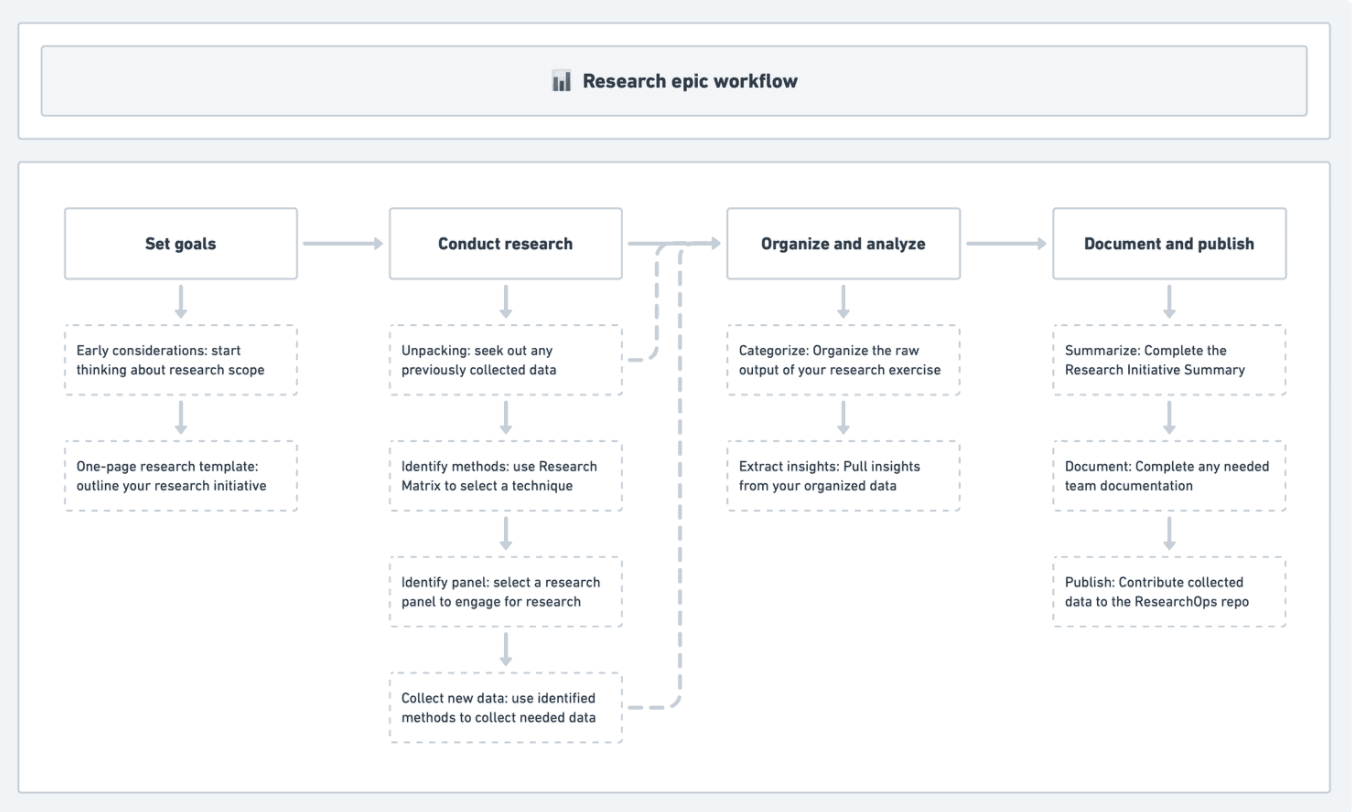
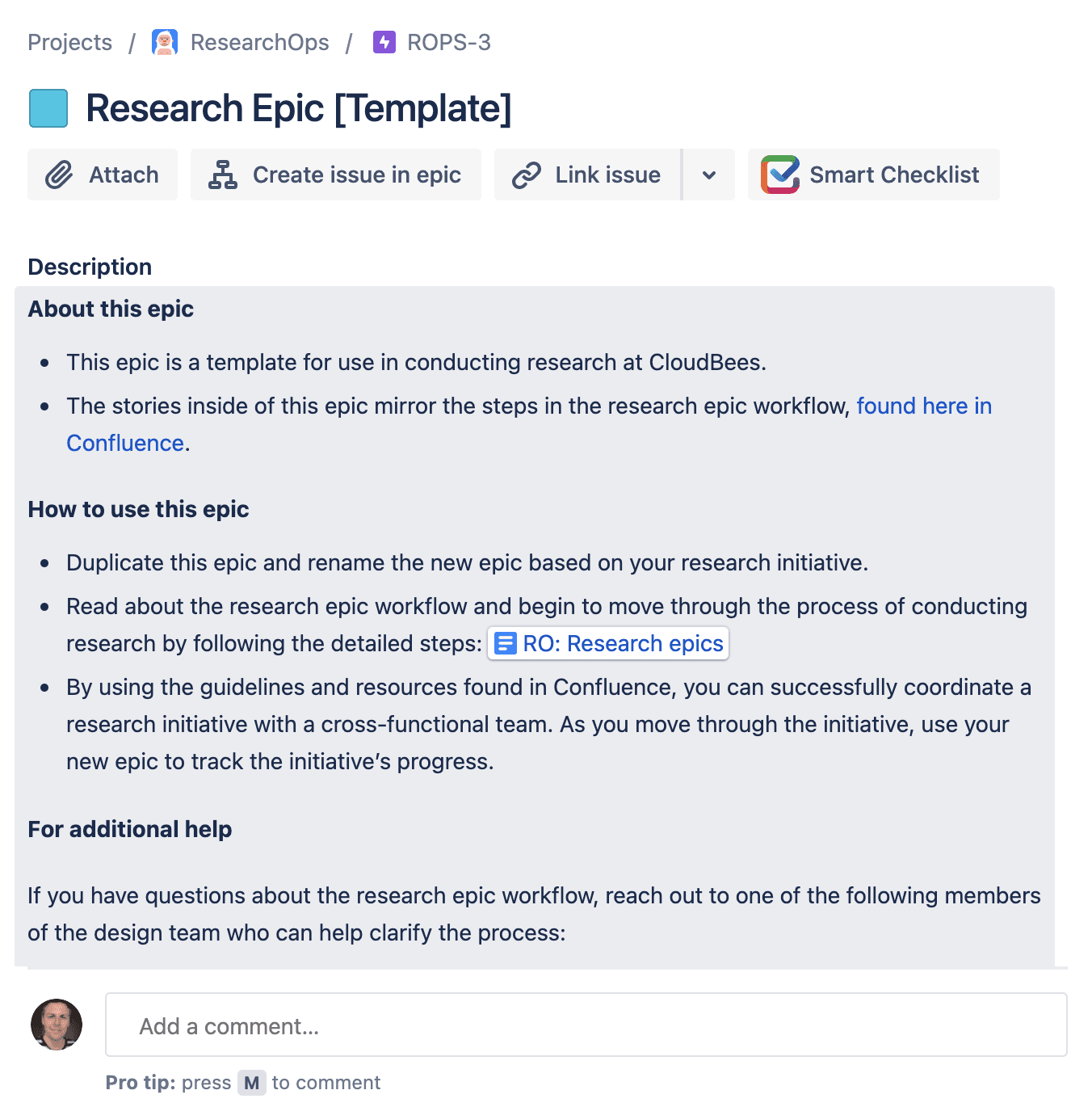
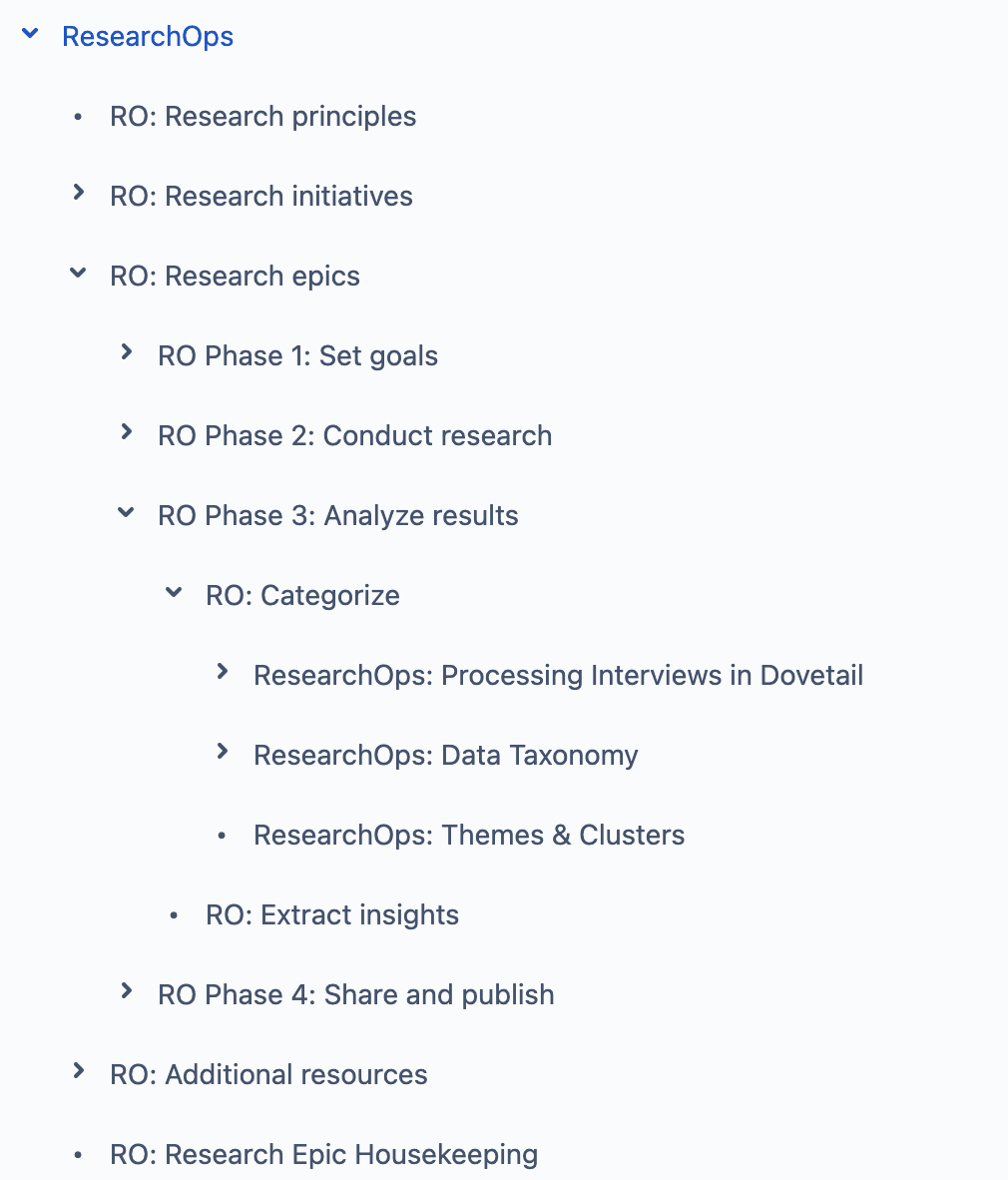
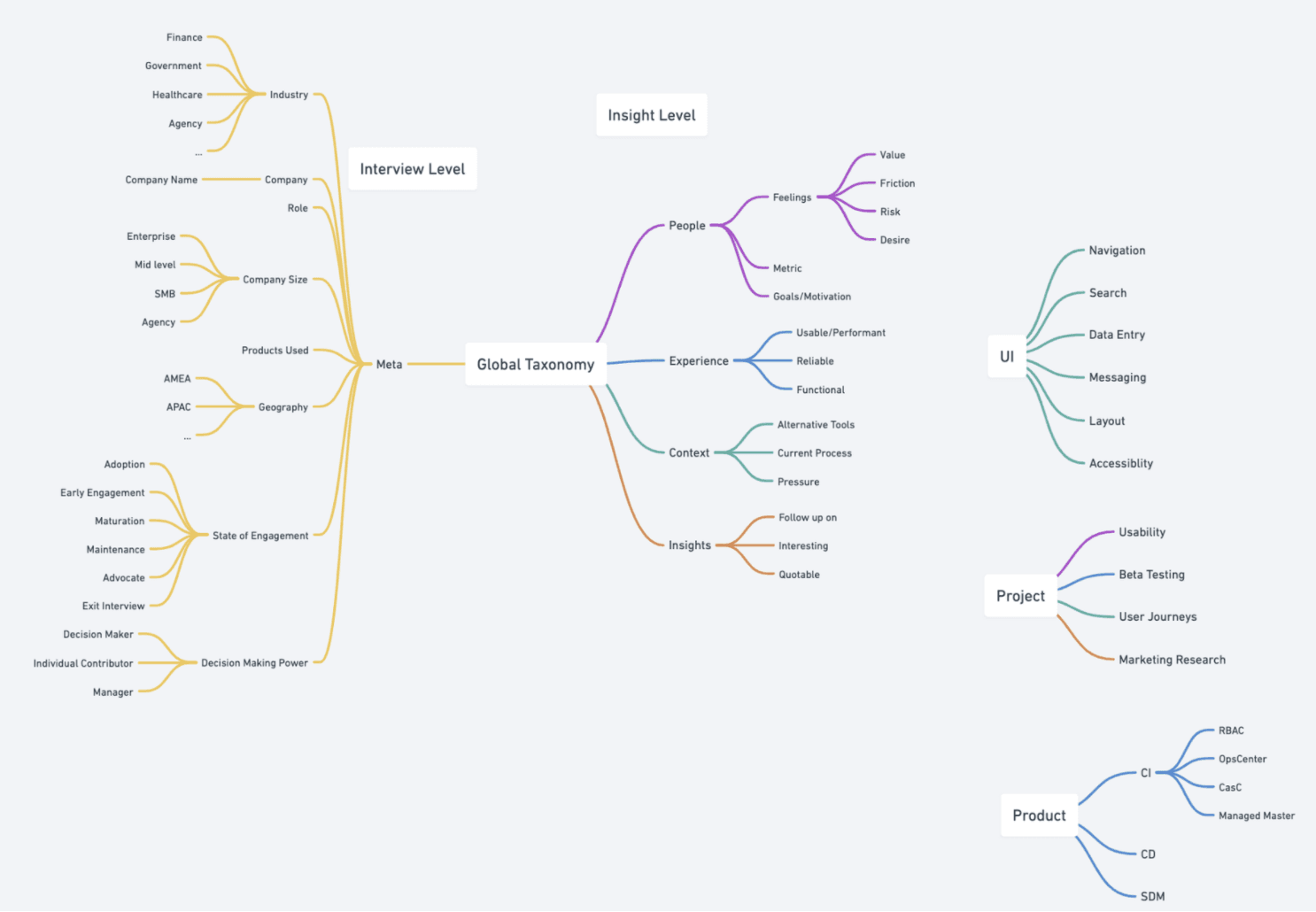
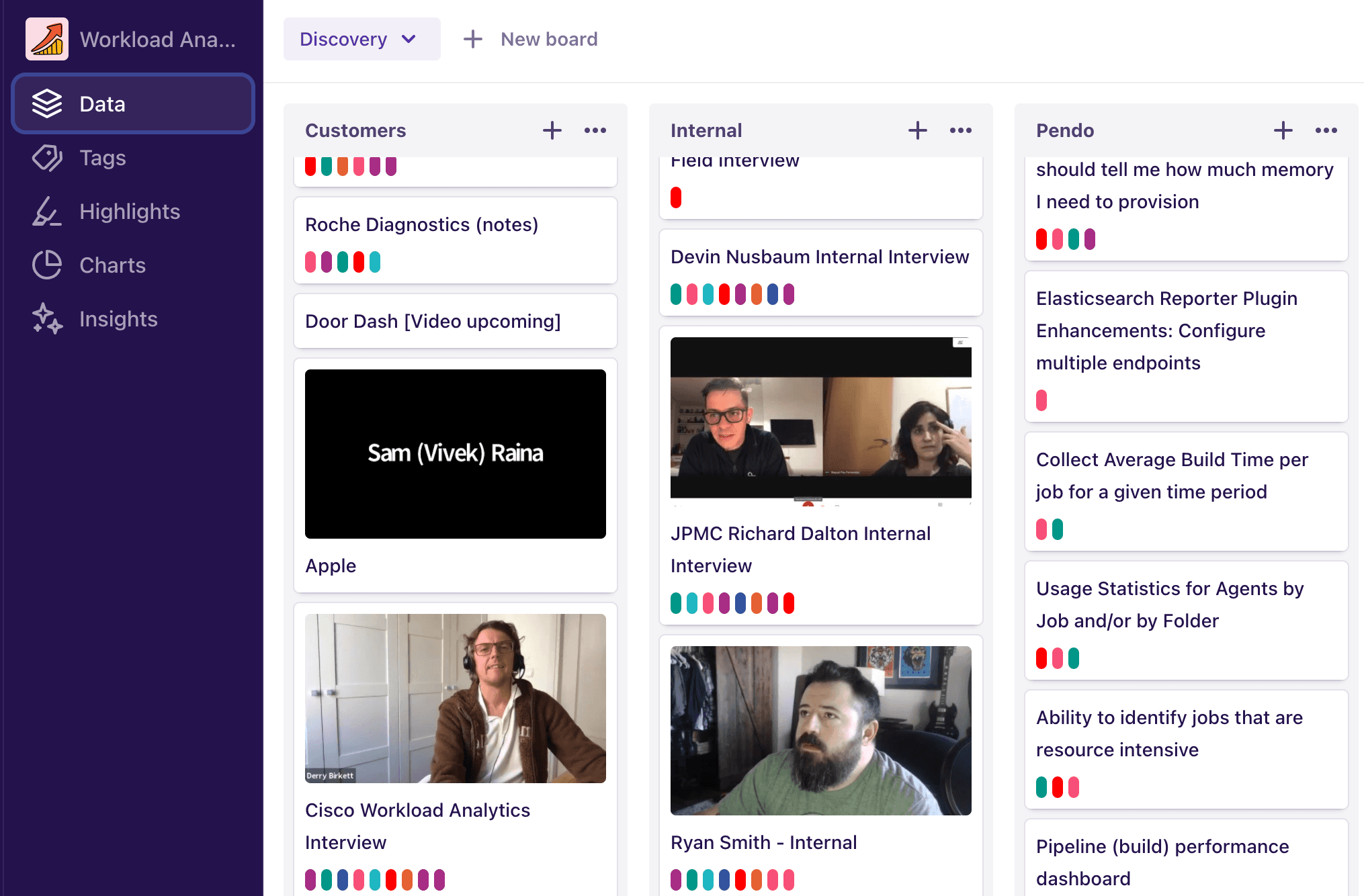
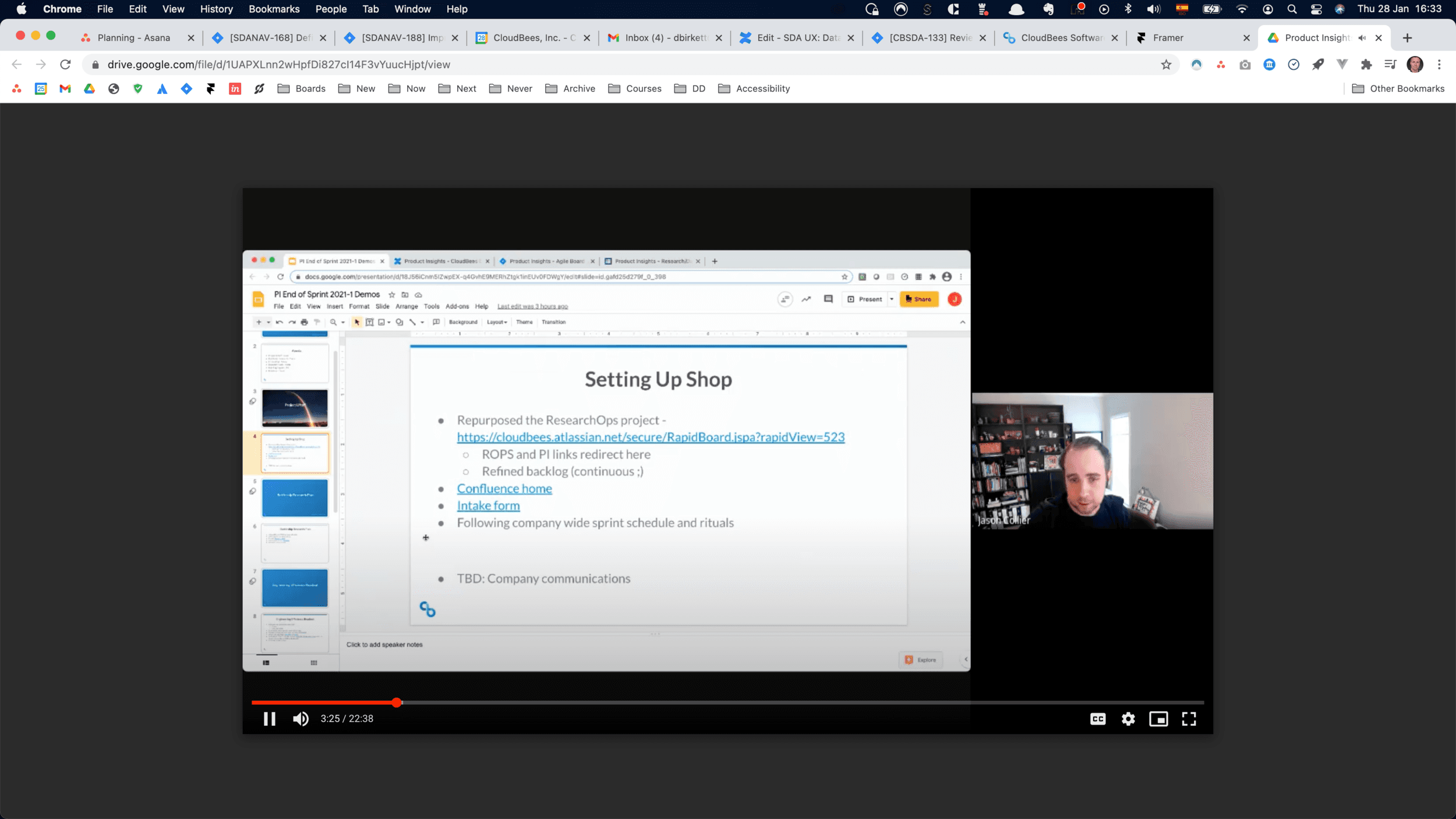
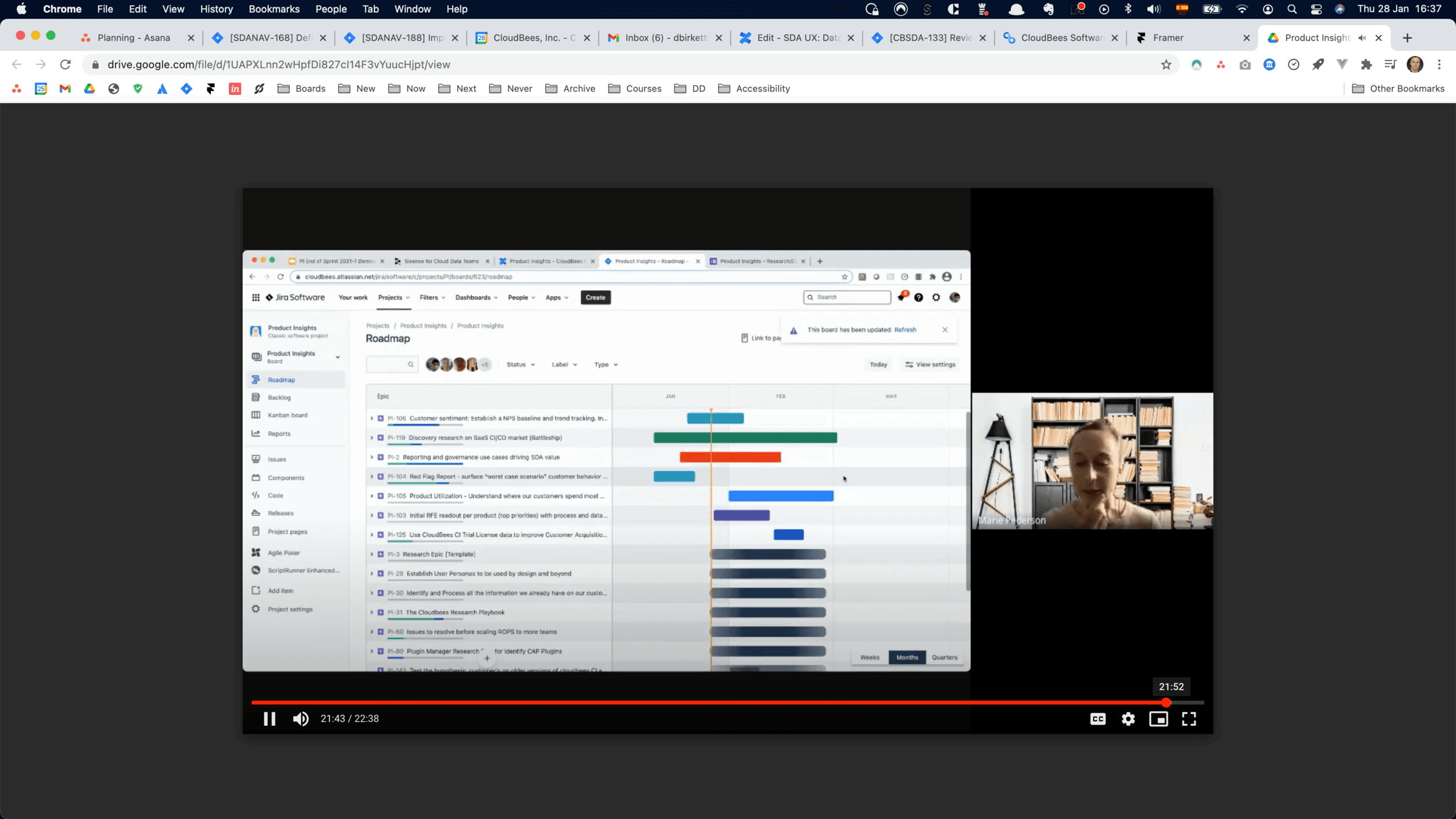
In parallel, I built the operating rails around the design work. I documented a double-diamond process in Confluence and Jira, set up ResearchOps guardrails, helped establish a shared research repo in Dovetail with a tagging taxonomy, and socialised the model with design and product. That research infrastructure later expanded from design into the broader product organisation.
Act III — Org build + agentic horizon
The final layer was organisation design: hiring loops, 1:1 cadence, design-review rhythm, team bonding, and clearer ownership across product UX, systems, and emerging AI work. HoneyUI evolved from component documentation into a platform consistency mechanism, with token architecture, theming, UI kits, guidelines, and socialisation material for designers, engineers, and product.
In parallel, I prototyped agentic onboarding IA: moving the platform from "set this up yourself" to "tell the platform what you want and it composes the IA."
Initiative evidence
Five prototype tracks belong inside the CloudBees story rather than as separate Ideas entries. Each one is a concrete answer to a platform question — agentic UI, intent-led onboarding, the next system, workflow density, and SDLC navigation.
BeeBot
An AI chatbot dashboard prototype from the CloudBees hackathon, used to explore agentic UI inside enterprise DevOps workflows.
Agentic onboarding IA
A direction for moving onboarding from manual setup flows toward intent-led IA composition.
Wax component library proposal
A revamped component-library proposal for evolving CloudBees' design system beyond Honey and CBUI.
Plugin Manager
A focused workflow prototype for making plugin management easier to inspect, compare, and act on.
SDLC core sketches
A recent set of CloudBees platform sketches exploring navigation, code connections, command surfaces, and SDLC workflow structure.
Outcome
- Organisation: grew design from 3 → 9 designers, established management rhythm, and helped hiring priorities become an explicit design-leadership concern.
- Product: shipped the core redesign in roughly six months, with customer feedback calling it a quantum leap and 100% adoption on migrated pages via version-switching.
- System: advanced HoneyUI through token architecture, theming, documentation, UI kits, design guidelines, and socialisation across design, engineering, and product.
- Research: installed ResearchOps rails, including double-diamond guidance, Jira/Confluence templates, and a shared research repo that expanded into product.
- AI: shipped the first AI Chatbot Dashboard prototype, BeeBot, and used later agentic onboarding IA prototypes to explore assistant-led platform setup.
What I'd do differently
I would have started the agentic prototypes a quarter sooner and brought PMs into that conversation earlier. The prototypes were useful because they made an abstract platform shift feel concrete, but they also exposed organisation-design questions: who owns assistant-led setup, how does AI reshape onboarding, and what needs to change in the roadmap for teams to act on it. I would now make that discussion part of the platform programme from day one.
“Derry is so great at seeing the bigger picture of the things we work on, he's not afraid to ask tough questions and wants to understand the user, he's driven and doesn't wait to be told what to do before starting to make a big impact. I really appreciate him keeping us all honest. He's exactly the kind of designer you hope to manage.”