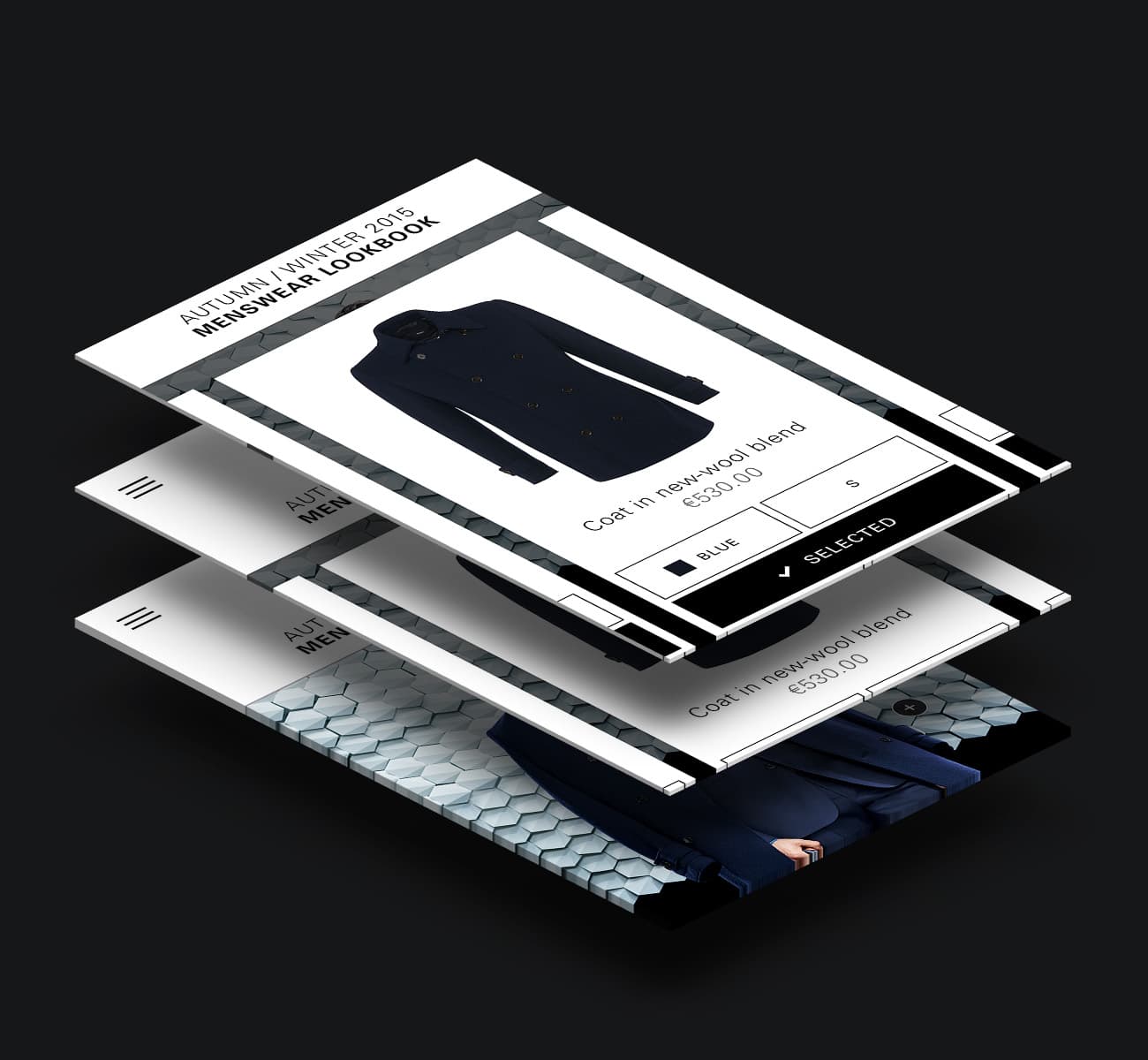
Creative direction and brand-system UX for Hugo Boss & Esprit
Creative direction and brand-system UX for Hugo Boss and Esprit, delivered through Machinas. Title arc: Art Director → UX Lead — the case that proves the brand-side of the design career.
Art Director → UX Lead
Art direction · Campaign · Brand-system UX · Newsletters · Content structure · Contact / help surfaces
shipped
Context
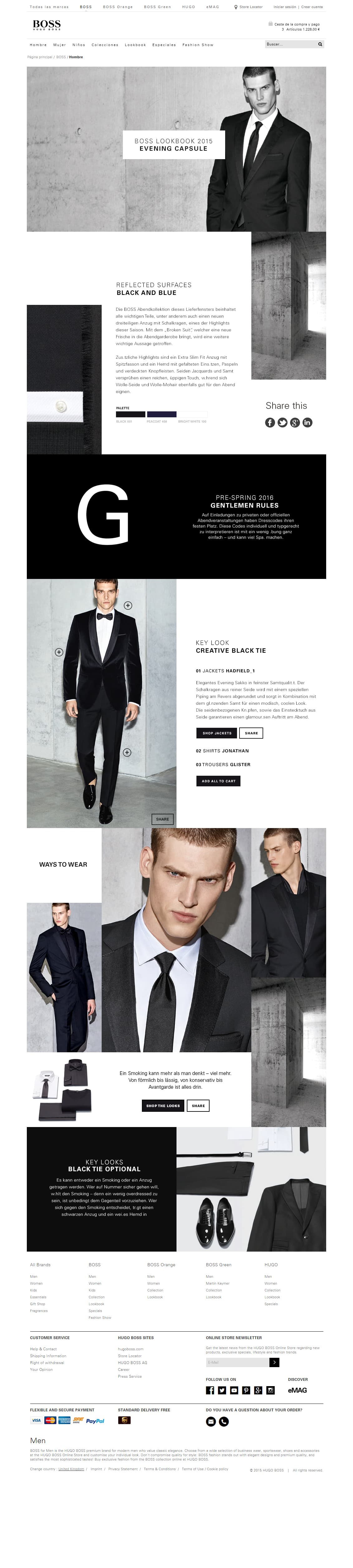
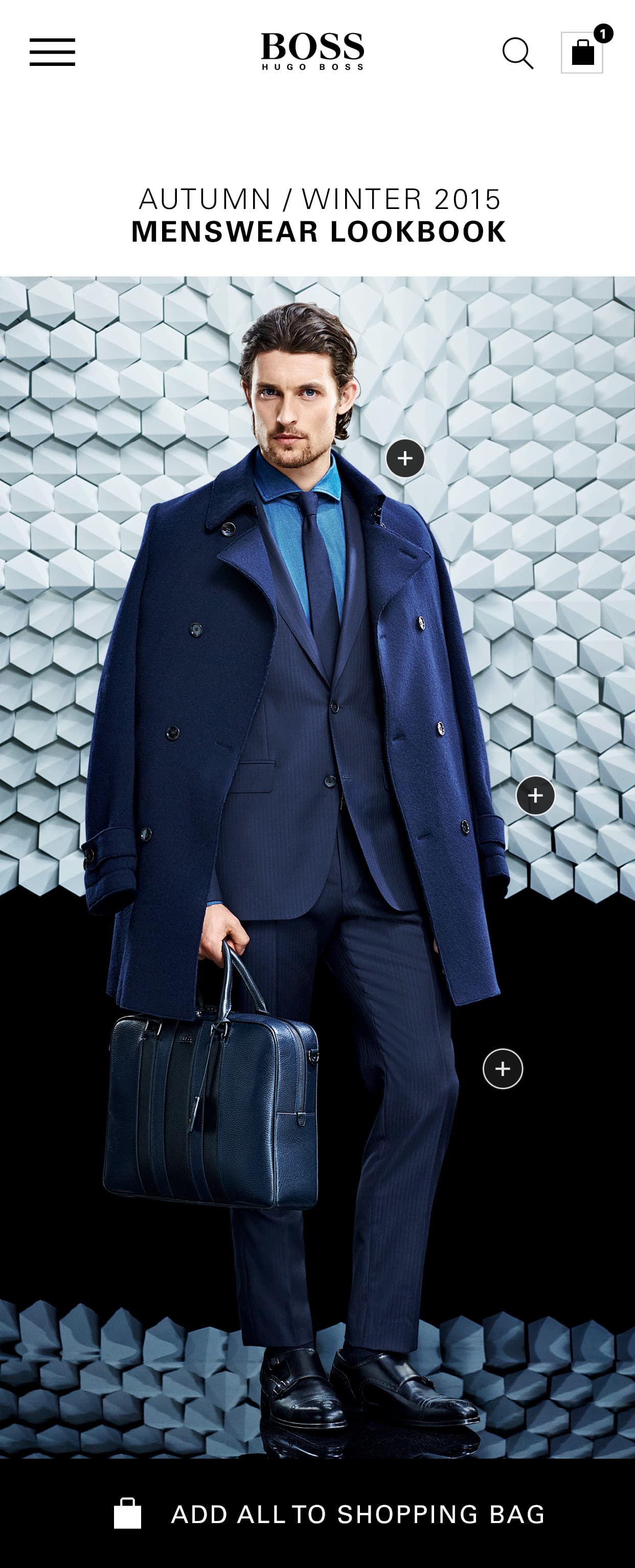
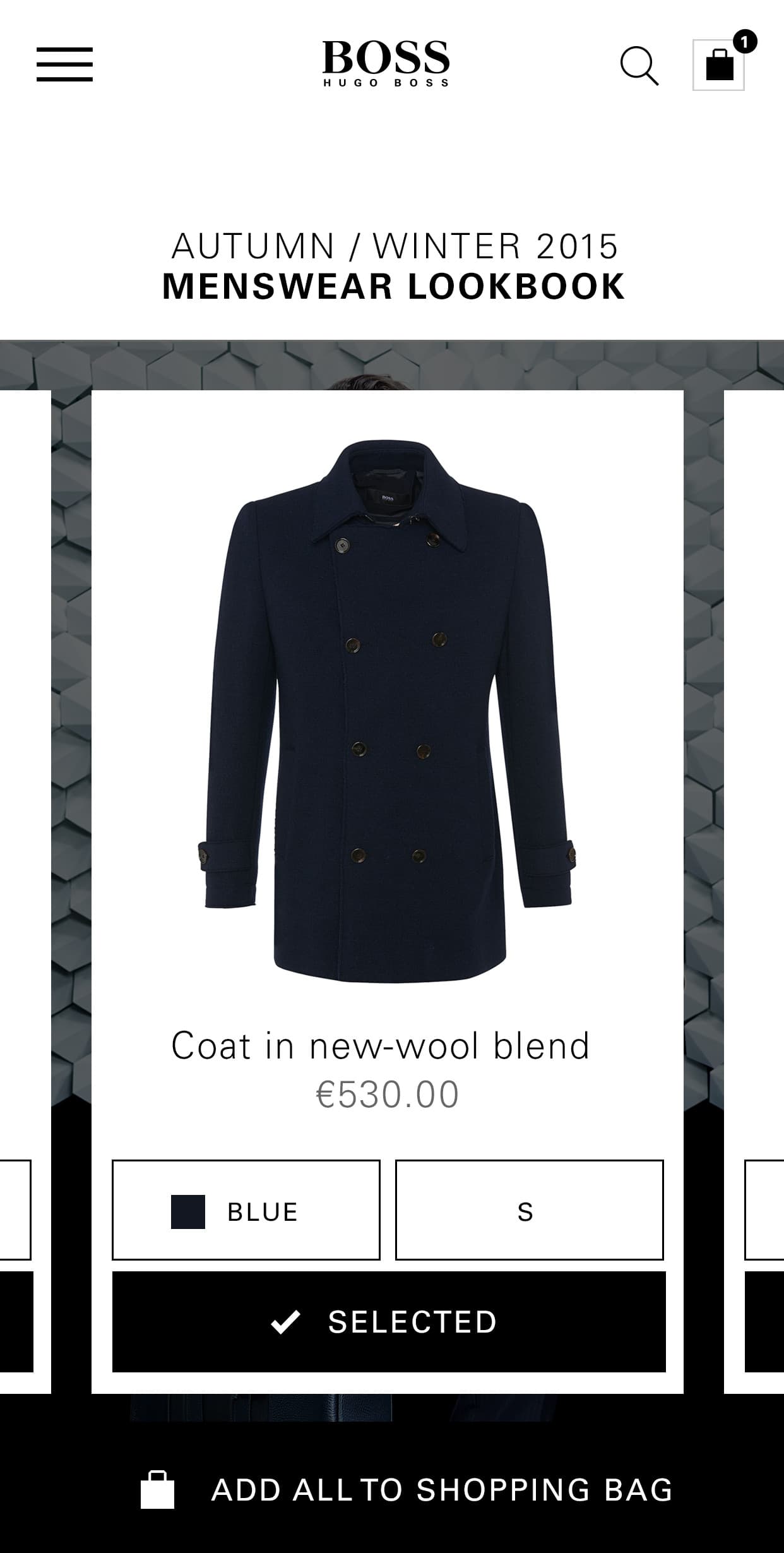
Two flagship fashion brands, two distinct brand systems. Machinas was the agency. The work spanned art direction, brand expression in digital surfaces (newsletters, content structure, contact pages), and creative direction across deliverables.
Role & team
What I led
- Art direction across brand-side deliverables for Hugo Boss and Esprit.
- Brand-system UX in digital surfaces — newsletters, content structure, help and contact pages.
- Branding artefacts (
branding-steps.aisource files in the archive).
Process — three acts
Act I — Hold the brand system
The work started from brand constraints: two global fashion names, two established visual languages, and agency-side delivery where every surface had to feel aligned before it could be useful.
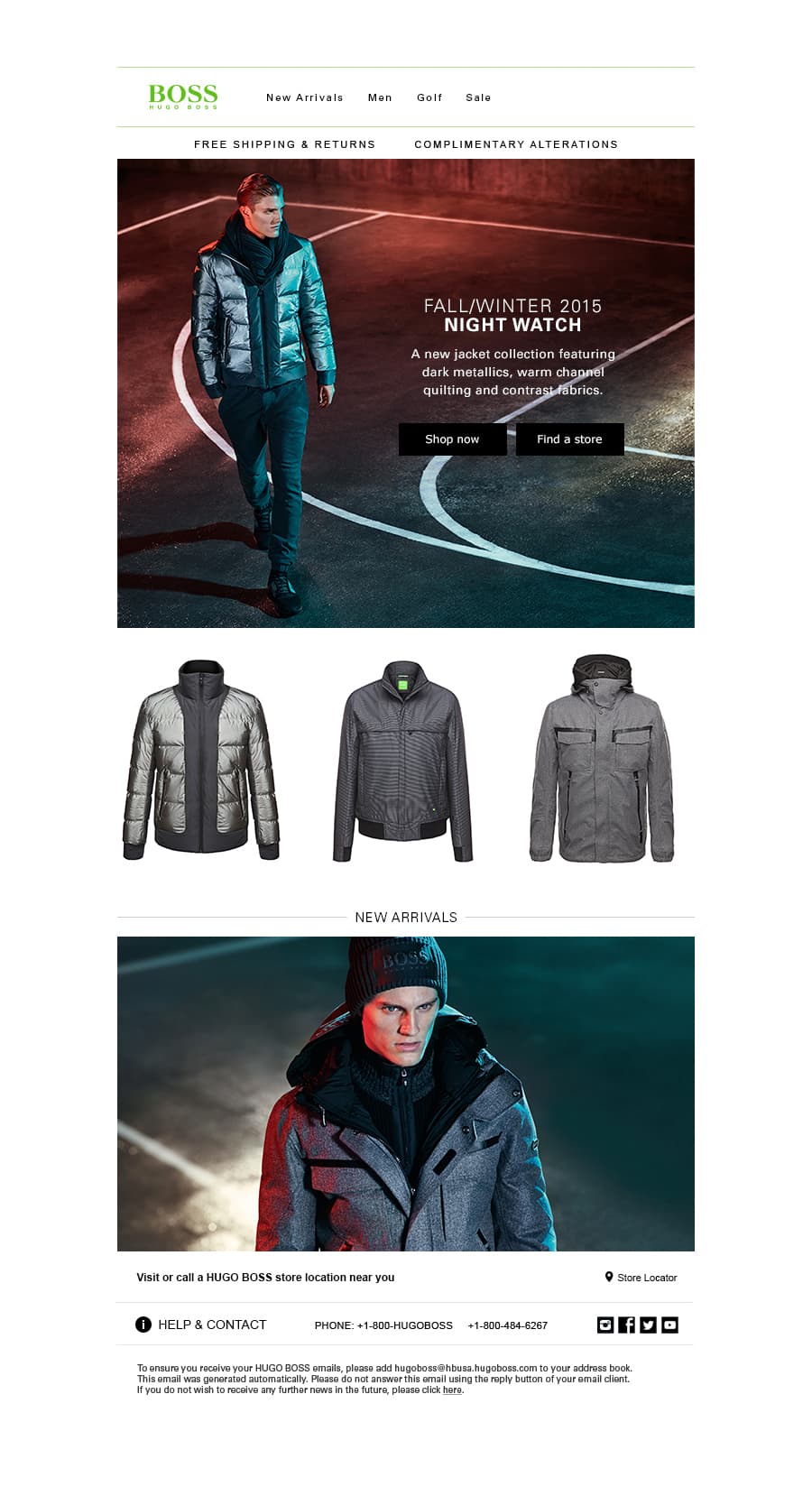
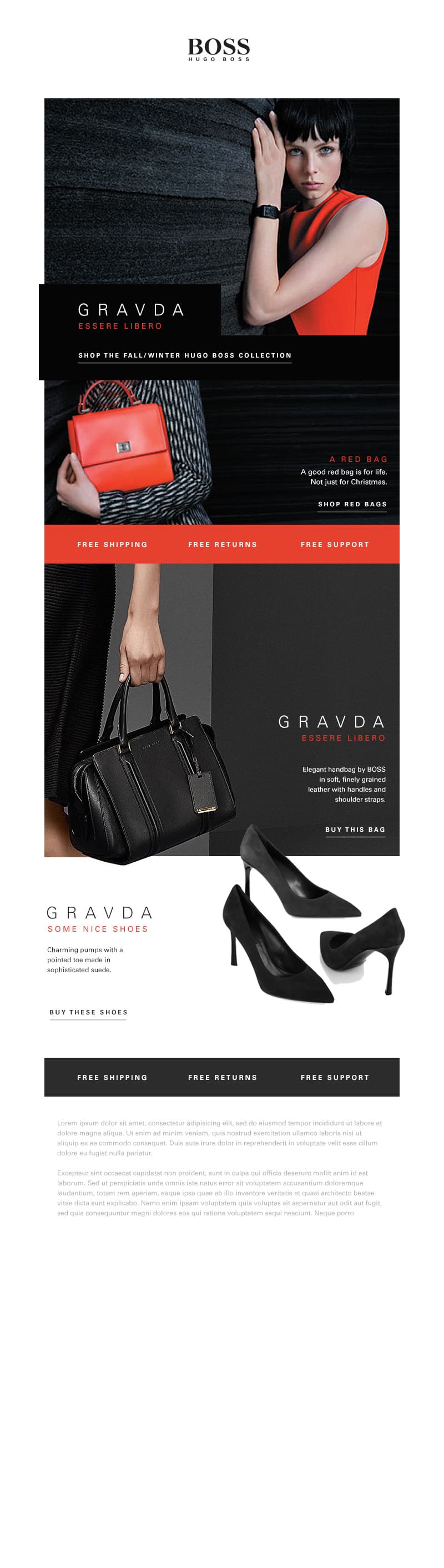
Act II — Translate brand into digital structure
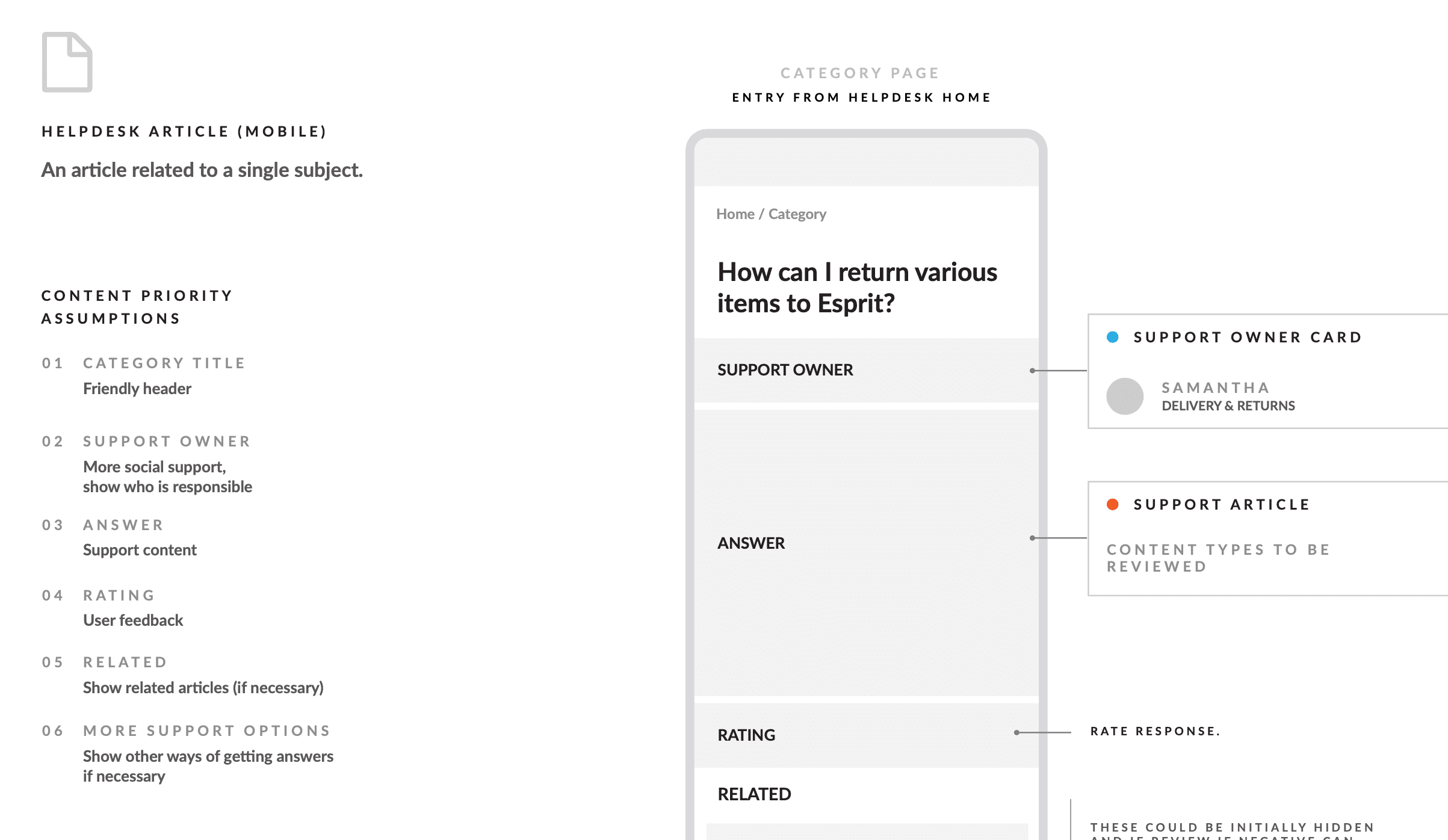
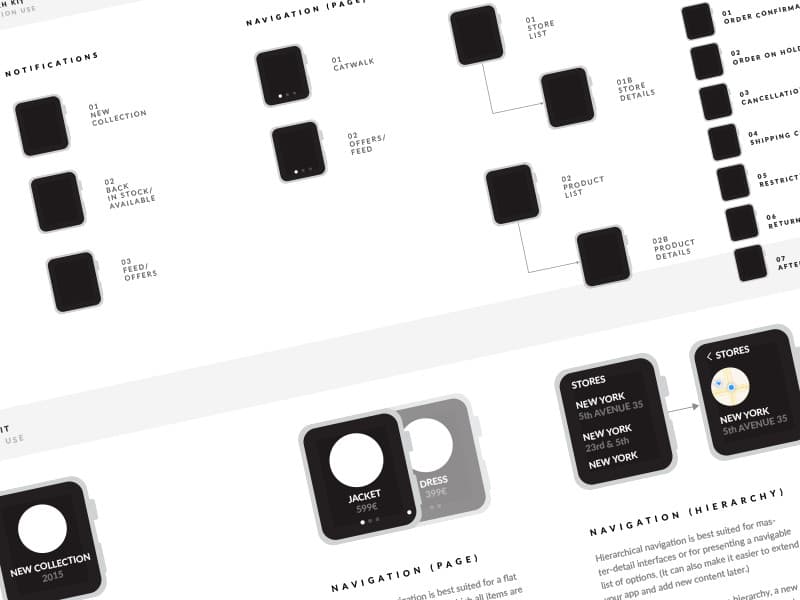
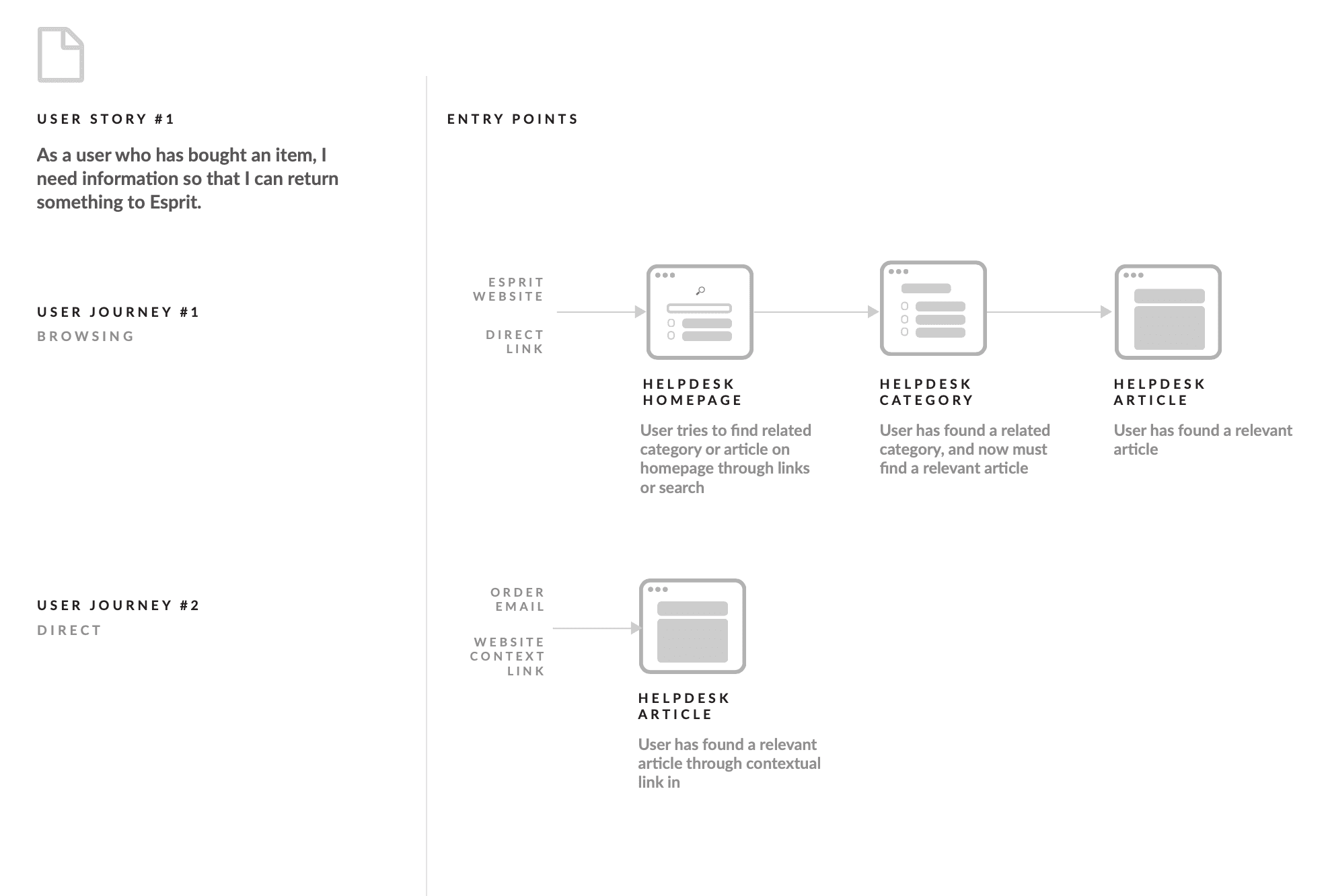
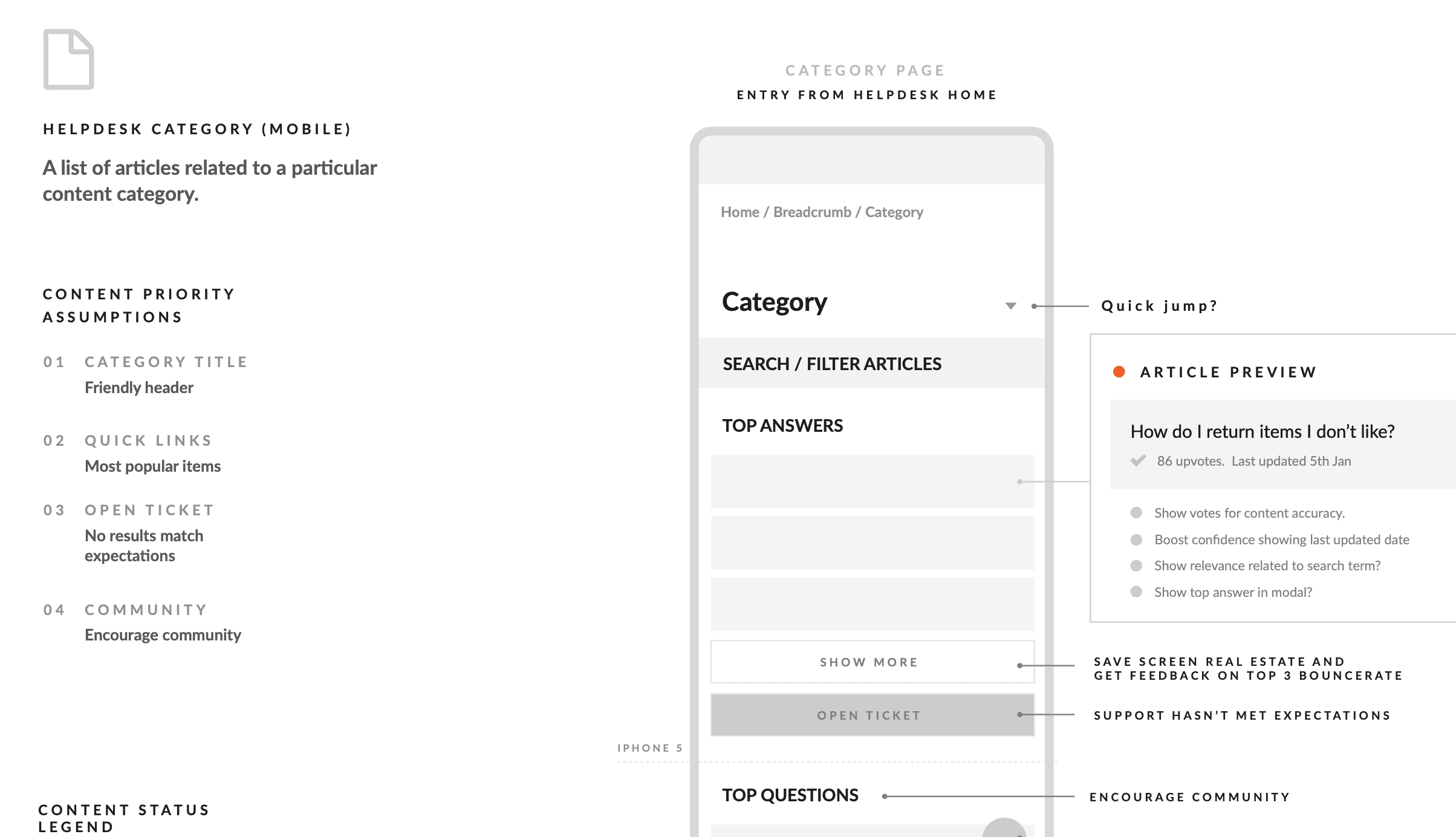
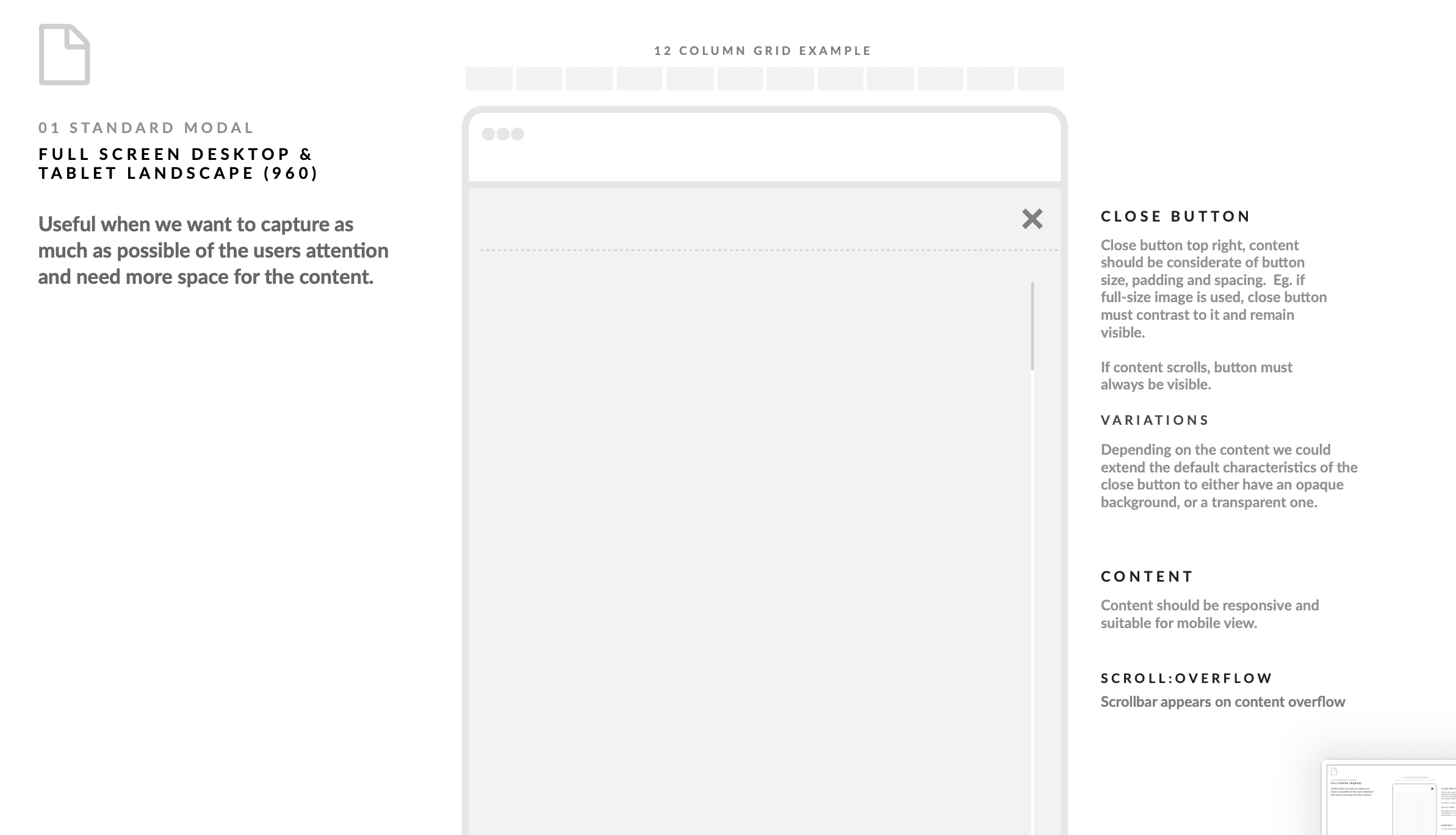
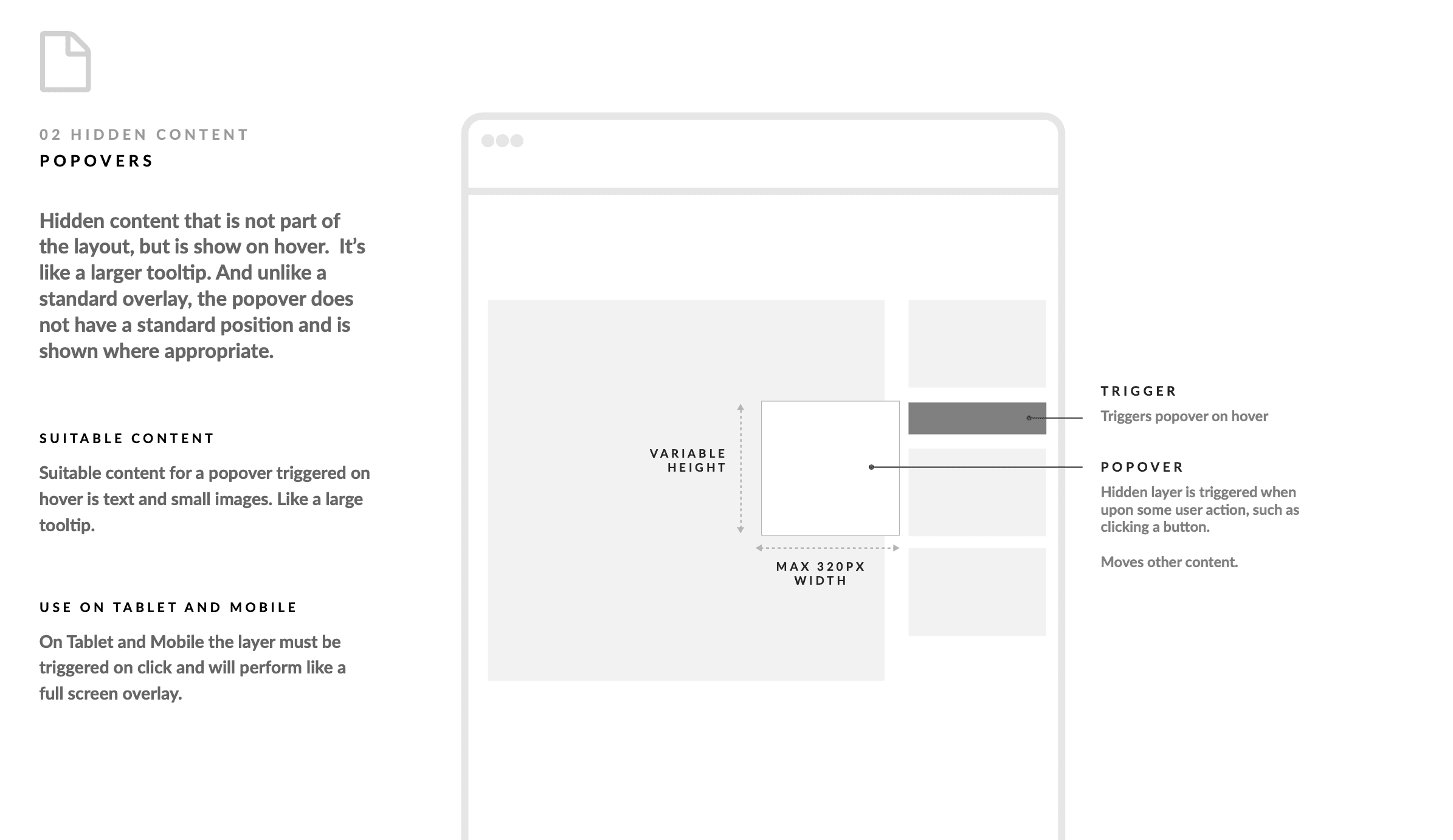
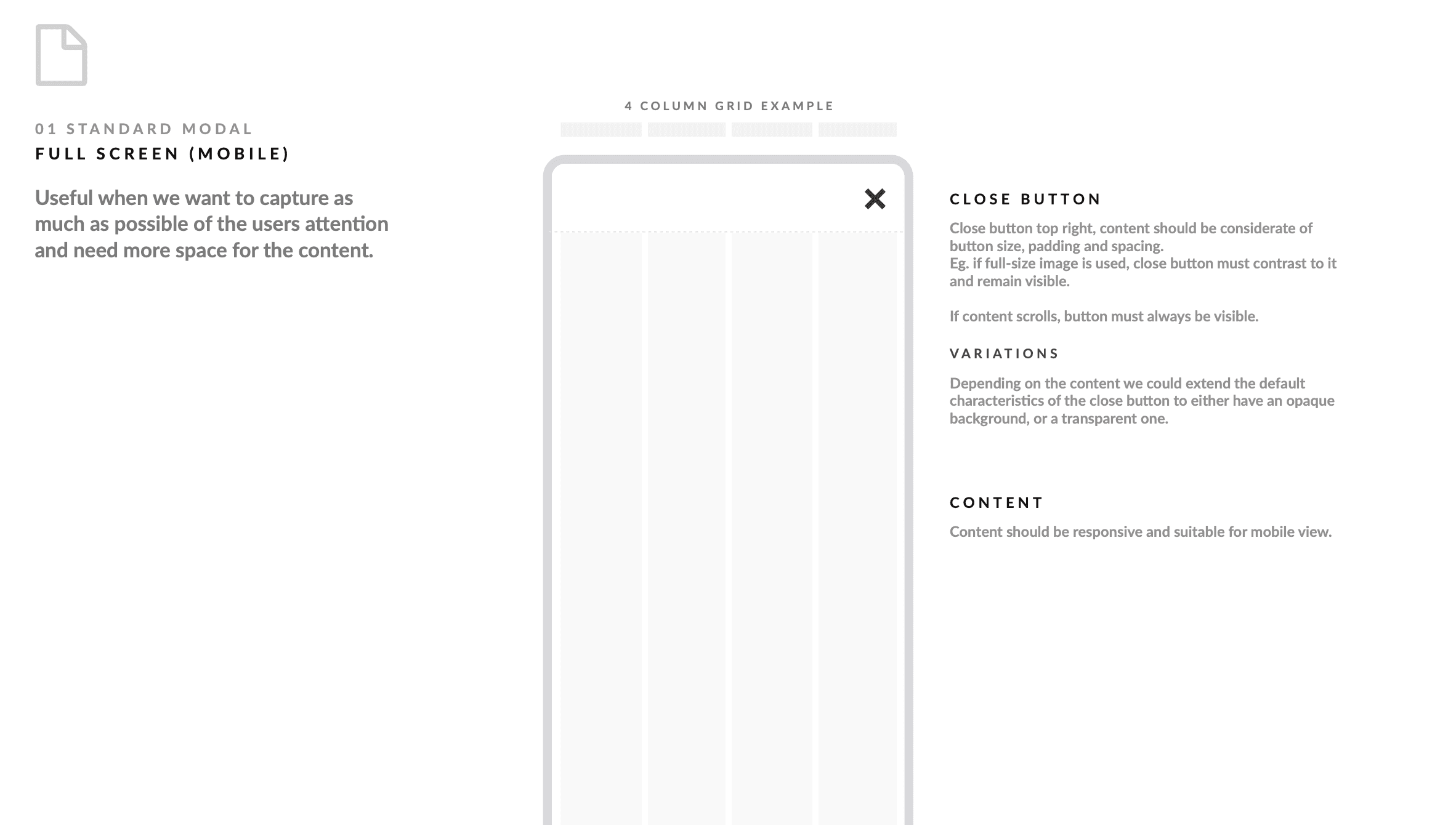
I moved from art direction into digital UX surfaces: newsletters, content structure, help and contact pages, and the supporting brand-system artefacts that made those surfaces coherent.
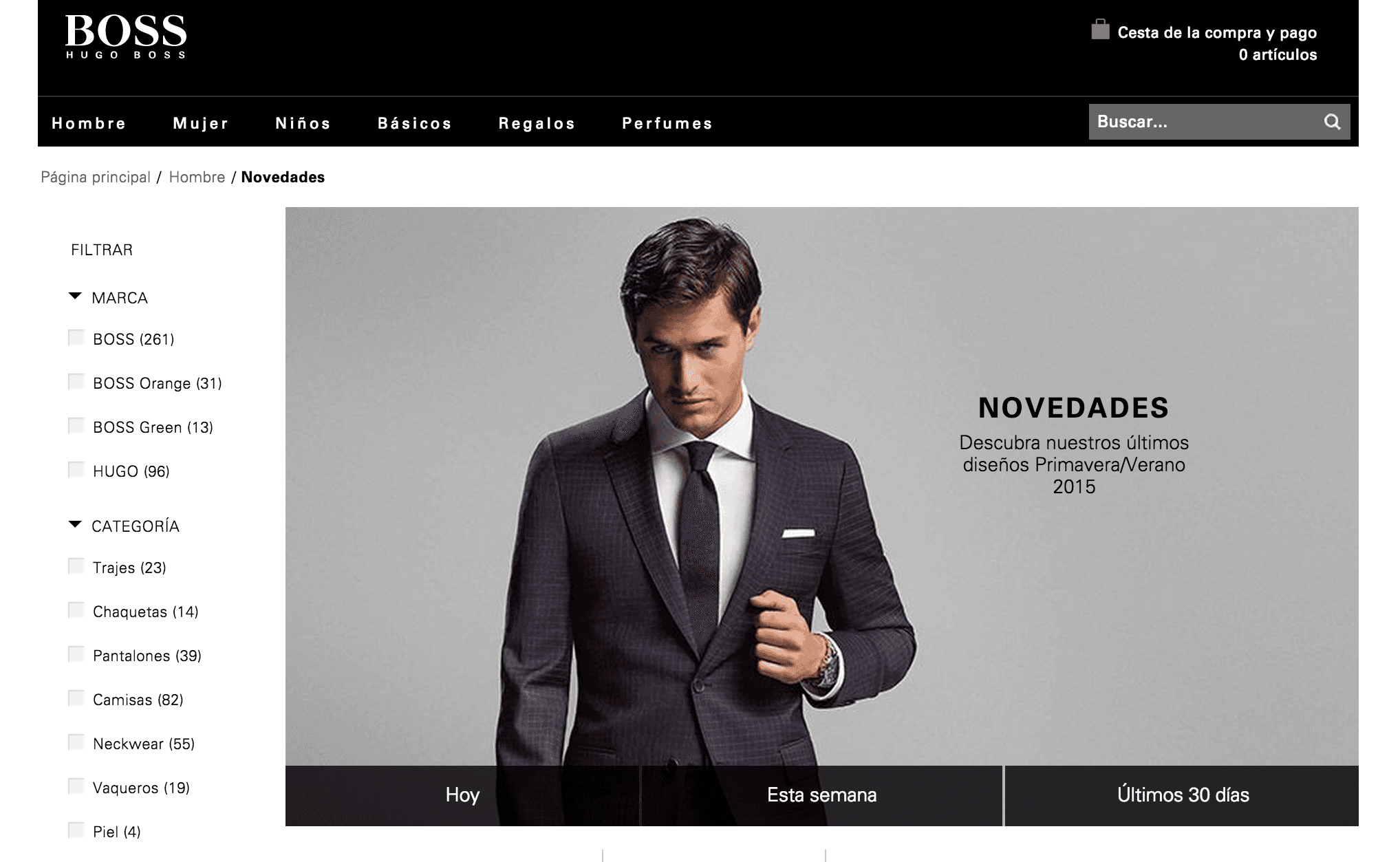
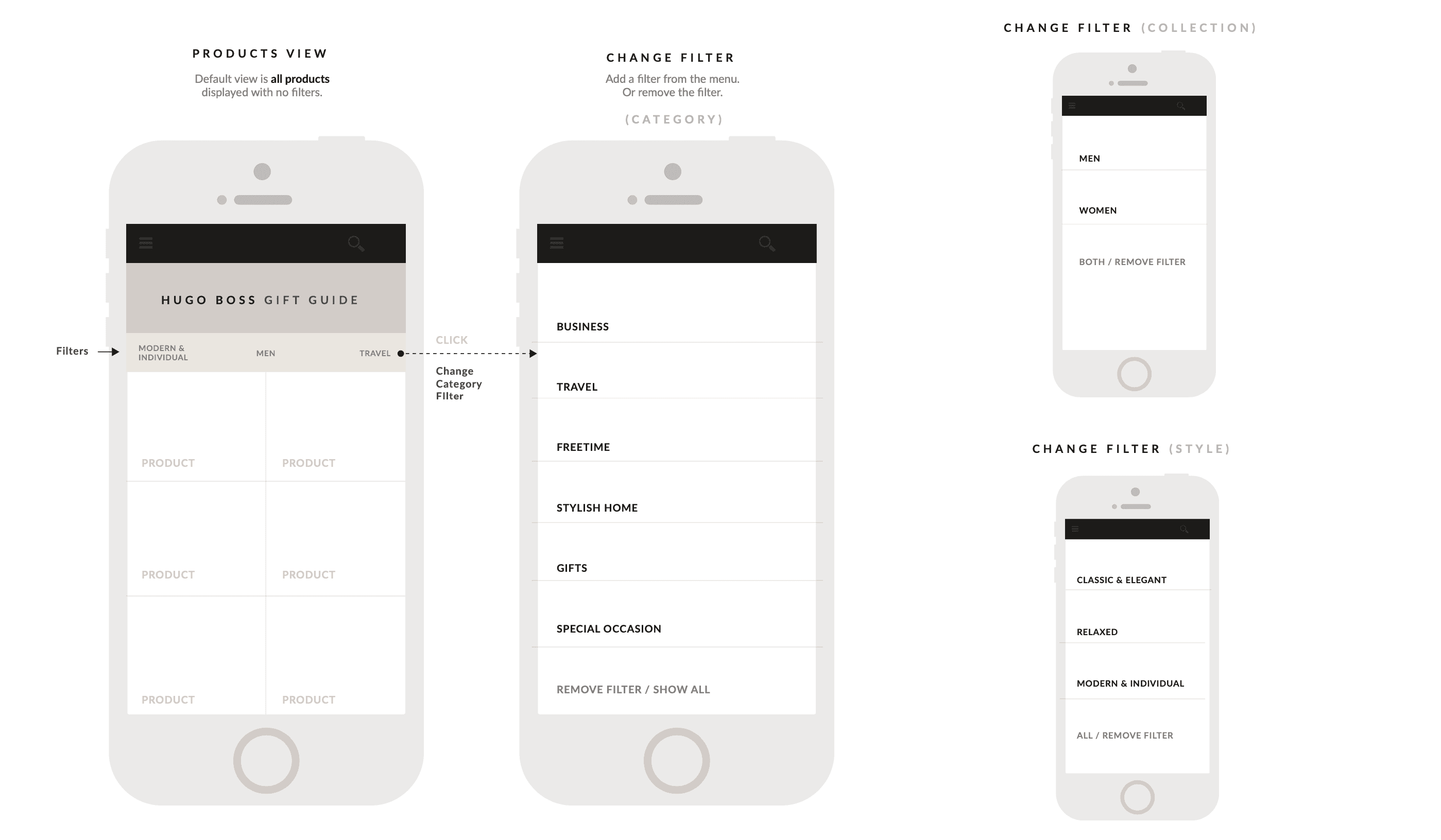
Act III — Move from creative direction to UX leadership
The important career shift was not abandoning brand work; it was bringing that judgement into product structure. This case marks the bridge between campaign and brand craft on one side, and product UX leadership on the other.
Outcome
- Delivered brand-side digital artefacts across campaign, newsletter, content-structure, and help/contact surfaces.
- Built credibility across two high-recognition fashion brands through agency delivery at Machinas.
- Established the role arc from Art Director to UX Lead, which became the bridge into later product and design-system work.
What I'd do differently
I would document the translation layer more deliberately: how brand decisions became UX decisions, what moved from visual direction into interaction structure, and which principles could travel into later product systems. The work did that implicitly; I would now make the operating model visible.
Editor note. The role-arc (Art Director → UX Lead) is the under-told story for a Director-level audience. Lead with it. It explains why this designer can hold both brand and product credibility without the usual specialist gap.